
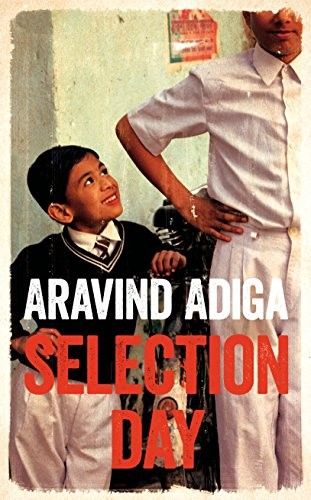
Selection Day
Aravind Adiga · b. 1974 · India
Why it matters
A domineering father grooms his two sons for cricket stardom on the streets of Mumbai, pitting one boy's private desires against the sport that is meant to save them both. Adiga trades corporate satire for a coming-of-age story about ambition's cost to the ambitious.
At a glance
A linear coming-of-age plot, though shifting close-third perspectives require attention.
Deep dive
A father drills two sons toward the professional cricket careers he never had himself, and talent lands, inconveniently, on the son who wants it least.
Written for readers who have finished the book. No plot recap, and nothing here is safe to read first.
Themes & symbolism
Mohan Kumar's coaching regime for his sons Radha and Manju, the diet, the punishing practice schedule, the prophecy that Manju will become the best batsman in the world, reads less as parental ambition than as a thwarted athletic career being lived out through someone else's body, and Adiga tracks how completely the father's need to be right about his sons forecloses either boy's ability to say what he actually wants.
Radha wants nothing in life except the cricket career their father has promised him, and lacks the exceptional gift Manju has without asking for it, a mismatch between desire and talent that the novel treats as its own kind of cruelty, sharper in some ways than any single act of parental failure.
Manju's friendship with Javed Ansari, a wealthy, defiantly indifferent cricket prodigy who openly wants out of the sport and speaks about his own feelings with a freedom Manju has never been permitted, carries an unmistakable erotic undertow that the novel lets sit mostly unspoken, Javed offering Manju a version of selfhood built around wanting things rather than performing what's wanted of him.
Javed Ansari and the Life Manju Can't Choose
Javed's money and his indifference to cricket give him a freedom Manju has never had access to, the ability to say plainly that he'd rather quit and become something else entirely, and his open affection for Manju offers a second freedom, to want a person rather than a role, that Manju spends the whole novel too frightened of his father to reach for.
Mumbai Cricket as a Factory Floor
Adiga renders junior cricket's surrounding infrastructure, sponsors, scouts, corrupt selectors, rival academies angling to poach promising boys, with the same institutional cynicism he brought to Balram Halwai's Bangalore in The White Tiger, treating the discovery of talent as an industry that grinds down almost everyone it processes in order to produce the very few it actually rewards.
The last seal: what actually happens, and why it lands the way it does.
The ending, explained
On the day itself, Manju, who has spent the novel wishing he could quit cricket for chemistry, performs well enough to be selected for a top academy; Radha, who wants nothing else in life, chokes under the pressure, assaults another player in his fury, and flees Mumbai for the family's old village rather than face what he's lost. Adiga jumps the narrative forward eleven years for a final chapter: Manju's professional career turns out exactly as lackluster as his heart was never in it, and he's cut from senior cricket at twenty-seven, absorbed afterward into the sport's front office as a scout rather than a player. Radha eventually returns from the village, supported by money Manju sends him, doing nothing, resentment intact. The brothers reunite for Manju's birthday, and the book's last image is Radha pinching his younger brother until Manju agrees to fight him, one more time, the way they used to as children, till one of them falls.
Where to go next
 Aravind Adiga · 2008The White TigerLvl 4Fast paced
 Aravind Adiga · 2011Last Man in TowerLvl 4Medium pace
 Rohinton Mistry · 1995A Fine BalanceLvl 4Medium pace
 Mohsin Hamid · 2007The Reluctant FundamentalistLvl 5Fast paced
 Vikram Seth · 1993A Suitable BoyLvl 3Medium pace
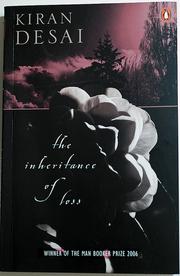 Kiran Desai · 2006The Inheritance of LossLvl 6Slow burn