

Looking on Darkness
André Brink · 1935–2015 · South Africa
Originally Kennis van die Aand (Afrikaans) · translated by André Brink
Why it matters
A mixed-race actor awaits execution and narrates, backward through his own life, an interracial love affair that apartheid's laws made a capital crime. The first Afrikaans novel banned outright by its own government: Brink's line in the sand.
At a glance
A death-row confession narrated in reverse chronology builds dread through structure as much as plot.
Deep dive
Joseph writes his own story from a cell awaiting execution, and the crime he's been convicted of is inseparable from a love South African law had already made impossible to survive.
Written for readers who have finished the book. No plot recap, and nothing here is safe to read first.
Themes & symbolism
Joseph Malan, a Cape Coloured actor awaiting execution, narrates his own life from a prison cell in the days before his hanging, and Brink structures the entire novel as that condemned man's testimony, an account written specifically because the state that is about to kill him has already decided which version of his story gets to count as official. Published in Afrikaans as Kennis van die Aand in 1973, the novel became the first Afrikaans-language book banned by the apartheid government, a fact that turns Joseph's fictional silencing and Brink's real one into an uncomfortably exact match.
Joseph's relationship with Jessica, a white woman he loves without either of them being able to make that love legal, runs directly against South Africa's Immorality Act, which criminalized interracial intimacy outright, and Brink refuses to let the relationship read as star-crossed romance detached from the machinery enforcing its impossibility; every tender scene between them carries the specific, material threat of the security police, informers, and prison terms that made the relationship a crime rather than merely a social difficulty.
Joseph's career as an actor, including years working abroad where his race carries none of the weight it does at home, gives Brink a way to dramatize how completely identity in South Africa is assigned rather than chosen: a man who can play any part on a stage in London returns to Cape Town and finds his own life scripted for him down to the smallest detail by a legal classification he had no hand in writing. His decision to come back despite that, choosing a country that has already defined the exact limits of what he is allowed to love, drives the novel's central tension between exile as safety and return as an assertion of the right to exist fully at home.
A Confession Written for No Court That Will Hear It
Brink gives Joseph's narration the shape of testimony, careful, chronological, insistent on naming names and dates, even though Joseph knows the state has already rendered its verdict and has no intention of reading his account as anything but a condemned man's paperwork. That gap between the meticulous truth Joseph is constructing and the total indifference of the system he is constructing it for is the novel's bitterest formal joke, a defense built with total sincerity for a court that closed before the argument began.
The last seal: what actually happens, and why it lands the way it does.
The ending, explained
Jessica is brutally assaulted by security police investigating the relationship, and Joseph, finding her afterward broken in body and will in a way he knows the state will only repeat given the chance, kills her himself rather than surrender her to more of the same treatment, an act the novel frames as a devastating final mercy rather than a crime of passion. He waits without resistance for the police who come to arrest him, and is tried and sentenced to death for her murder, the legal system finally getting the tidy, prosecutable crime it had been unable to charge him with for simply loving her. The narration the reader has been following throughout the novel turns out to be exactly what it announced itself as at the start, an account composed in the days before an execution that the state, having failed to criminalize his love directly, is now carrying out under the cleaner name of murder.
Where to go next
 André Brink · 1979A Dry White SeasonLvl 5Medium pace
 Alan Paton · 1948Cry, the Beloved CountryLvl 4Medium pace
 Mahasweta Devi · 1974Mother of 1084Lvl 5Medium pace
 Ngũgĩ wa Thiong'o · 1967A Grain of WheatLvl 6Slow burn
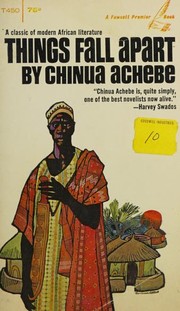 Chinua Achebe · 1958Things Fall ApartLvl 4Medium pace
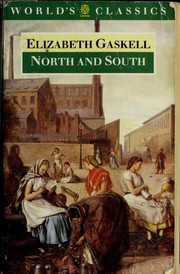 Elizabeth Gaskell · 1855North and SouthLvl 4Medium pace