
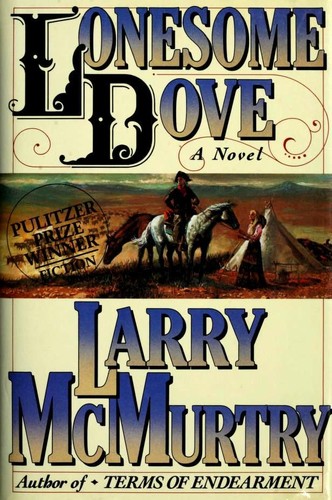
Lonesome Dove
Larry McMurtry · 1936–2021 · USA
Why it matters
Two aging former Texas Rangers drive a stolen cattle herd from the Rio Grande all the way to Montana, an epic journey that exposes the frontier's romance and its brutality in equal measure. McMurtry's Pulitzer winner became the Western novel's defining, myth-busting epic.
At a glance
A sprawling cast and long journey structure require patience despite otherwise accessible prose.
Deep dive
McMurtry set out to write the anti-Western that debunked the genre's myths — and produced the book that resupplied them for another fifty years.
Written for readers who have finished the book. No plot recap, and nothing here is safe to read first.
Themes & symbolism
Gus McCrae and Woodrow Call split the frontier hero down the middle: Gus talkative, appetitive, alive to pleasure and company; Call stoic, duty-bound, incapable of saying aloud what he feels, including to the son, Newt, he refuses to acknowledge as his own. McMurtry's quiet critique lands on Call — the silent, self-denying man of action the Western usually lionizes turns out to be someone who can love people for decades without ever telling them, a form of discipline that curdles into cruelty by omission. Gus, the talker, is the only one honest enough to name what the drive actually is: a pointless, glorious errand two old men undertake because they're bored and can't imagine another way to spend what's left of themselves.
The drive to Montana is deromanticized by its own arbitrariness — no market need, no manifest destiny, just a whim dressed up as enterprise — and McMurtry populates the journey with deaths that refuse to mean anything: a boy drowned by moccasin snakes in a river crossing, a scout killed by hornets, a former friend hanged for the company he kept. The vast, empty landscape isn't backdrop, it's the real antagonist, indifferent to the human drama being staged across it, and the novel's much-loved sense of epic sweep is constantly undercut by squalor, disease, and waste that any romantic Western would cut around. Blue Duck, the renegade who kidnaps Lorena and murders indiscriminately across both halves of the book, supplies whatever pure villainy the novel allows itself, but he's kept at the margins of the main story rather than built into a climactic showdown — a deliberate refusal of the genre's usual final reckoning between hero and outlaw, since the drive itself, not a gunfight, is where McMurtry wants the book's real weight to fall.
The Anti-Western That Became the Western
McMurtry had spent years writing essays skeptical of frontier mythology before Lonesome Dove, intending the novel as a corrective to the genre's sentimentality. Readers and, later, the miniseries embraced it instead as the genre's defining romantic epic, Gus and Call's friendship canonized rather than interrogated — proof that a story built to expose a myth can simply become the myth's best-loved version, especially once its debunking is warm enough, and its heroes charming enough, to read as celebration.
Jake Spoon and the Code
Jake, charming and passive in equal measure, drifts into the company of murderers less from villainy than from an inability to ever choose anything for himself, and when Call and Gus find him riding with Suggs's gang, they hang their old friend themselves rather than let someone else do it. The scene literalizes the frontier code the novel keeps testing: loyalty to law and duty outranks personal affection, even when it costs the men who believe it something they can't get back. McMurtry stages the hanging with almost no editorializing, letting the men's grim professionalism do the moral work — nobody argues Jake didn't deserve it, and nobody enjoys doing it either, which is precisely the kind of ambivalence a more conventional Western would resolve one way or the other rather than leave sitting there.
The last seal: what actually happens, and why it lands the way it does.
The ending, explained
Gus is wounded in the leg during a fight with Native raiders and refuses amputation, choosing to die on his own terms rather than live diminished; gangrene finishes what pride started. Before he dies he extracts a promise from Call: haul his body all the way back to Texas and bury him within sight of the orchard near Lonesome Dove. Call honors it, packing the corpse for the brutal months-long return journey after having already lost most of the outfit along the way. He arrives, buries Gus, and the novel closes on Call hollowed out and purposeless — duty discharged in full, at the cost of everything the duty was supposed to be for.
Where to go next
 Johannes V. Jensen · 1922The Long JourneyLvl 6Medium pace
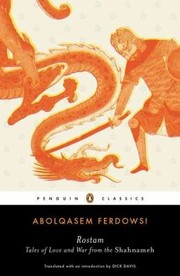 Abolqasem Ferdowsi · 1010The ShahnamehLvl 6Slow burn
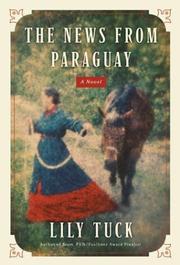 Lily Tuck · 2004The News from ParaguayLvl 6Medium pace
 Valerie Martin · 2003PropertyLvl 5Slow burn
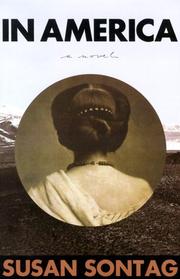 Susan Sontag · 2000In AmericaLvl 6Slow burn
 Andrea Barrett · 1996Ship Fever and Other StoriesLvl 5Medium pace