
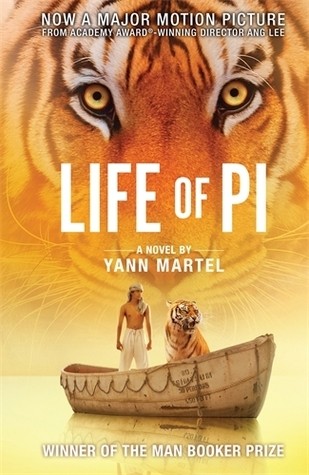
Life of Pi
Yann Martel · b. 1963 · Canada
Why it matters
A shipwrecked Indian boy shares a lifeboat with a Bengal tiger for 227 days, then offers, at the end, a second, unbearable story to choose instead. Martel's Booker winner asks which version of survival a reader would rather believe.
At a glance
A clear, fable-like castaway narrative despite its unsettling final twist.
Deep dive
Which of Pi's two shipwreck stories you choose to believe, and why Martel built the whole novel to make sure you'll never really know.
Written for readers who have finished the book. No plot recap, and nothing here is safe to read first.
Themes & symbolism
Richard Parker is the novel's method in miniature: a Bengal tiger sharing 227 days of lifeboat with a devout, terrified teenager, close enough to a mirror that when Pi trains him with a whistle and a territorial hierarchy, he's really disciplining the animal half of himself — the part capable of butchering fish, drinking blood, and, it turns out, worse. The three-god muddle Pi practices as a boy, cheerfully unbothered that Hindu, Christian, and Muslim accounts of God contradict each other, primes the reader for the book's real theology, which isn't about which religion is true but about which story a person needs told back to them in order to survive it.
The floating island of meerkats and carnivorous algae, digesting a human tooth buried at its root, is the novel's most delirious set piece and its clearest tell: paradise that eats you alive by night is exactly the shape of every comfort Pi allows himself, immediately undercut. Martel structures the whole novel as a bet on narrative itself — a 'story that will make you believe in God,' the framing device promises before a word of the ordeal is told — and then spends the final chapter testing whether a reader, handed a brutal literal account and a beautiful invented one, will actually take the bet.
The Frame That Sells the Lie
Martel wraps the novel in a fictional author's note claiming the story came to him secondhand as one that 'will make you believe in God,' and gives adult Pi, interviewed years later in Toronto, the last, decisive lines of dialogue in the book. That framing does real work: it primes readers to want the animal version true before they've even met Richard Parker, and it means the choice offered at the end isn't really Pi's to the investigators — it's Martel's, made in advance, to the reader holding the book.
Decoding the Second Story
The alternate account Pi offers the investigators maps onto the animal version almost item for item: the vicious French cook stands in for the hyena, a wounded sailor for the zebra, Pi's mother for the orangutan Orange Juice — and, in the account's most quietly horrifying implication, Pi himself for Richard Parker, the survivor capable of killing and eating another human being to live. Once that substitution is visible, the tiger's insistence on staying half-wild and unreachable for 227 days reads less like companionship than like a boy's refusal to look directly at what he became.
The last seal: what actually happens, and why it lands the way it does.
The ending, explained
Rescued off Mexico, Pi is interviewed by two Japanese officials investigating the ship's sinking, who don't believe a story involving a tiger, a hyena, an orangutan, and a wounded zebra. Pressed for something plausible, Pi tells a second version with the same beats but human characters — a vicious cook, an injured sailor, his own mother, and by implication himself in the tiger's role, killing and eating the cook to survive. He then asks the investigators which story they prefer, since neither can be verified and neither changes what happened to the ship. They choose the animal story, and their official report records it as fact. The novel ends there, refusing to adjudicate — leaving the reader holding the same choice Pi has just handed his interrogators.
Where to go next
 Susanna Clarke · 2020PiranesiLvl 4Slow burn
 Samantha Harvey · 2024OrbitalLvl 5Slow burn
 Richard Powers · 2018The OverstoryLvl 7Slow burn
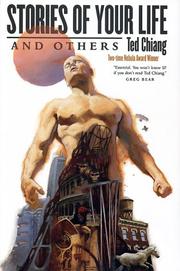 Ted Chiang · 2002Stories of Your Life and OthersLvl 5Medium pace
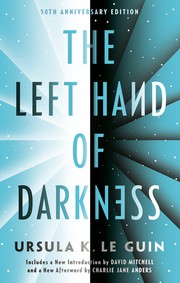 Ursula K. Le Guin · 1969The Left Hand of DarknessLvl 6Medium pace
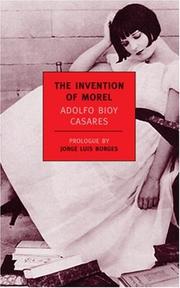 Adolfo Bioy Casares · 1940The Invention of MorelLvl 5Fast paced