
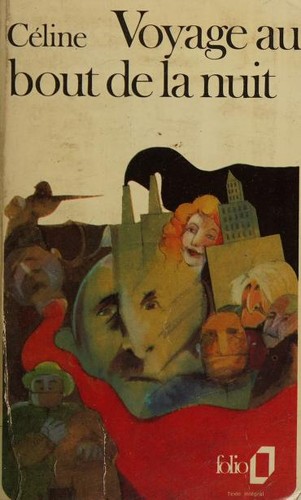
Journey to the End of the Night
Louis-Ferdinand Céline · 1894–1961 · France
Originally Voyage au bout de la nuit (French)
Why it matters
A cynical drifter stumbles through the First World War, colonial Africa, and industrial America in a voice of raw, exclamatory slang. Céline broke French literary prose open, for better and (given his later politics) for worse.
At a glance
Raw, exclamatory slang-inflected prose that breaks with literary convention.
Deep dive
A cynical draft dodger tours the twentieth century's worst inventions — war, colonialism, factory labor, American consumerism — and finds nothing on the other side of any of them worth the trip.
Written for readers who have finished the book. No plot recap, and nothing here is safe to read first.
Themes & symbolism
Bardamu's picaresque route — the trenches of the First World War, French colonial Africa, Fordist Detroit, and finally a impoverished Paris medical practice — isn't a journey toward any destination so much as an accumulating proof that every institution modernity offers as meaningful (patriotism, empire, industry, medicine itself) is actually organized around extracting labor and life from people who are then discarded, and Céline structures the novel as a tour of exactly those discardings rather than as a conventional bildungsroman with anything like growth at the end of it.
Léon Robinson, whom Bardamu keeps running into by coincidence across three continents, functions as Bardamu's double and worst-case mirror: equally cynical but willing to act on that cynicism where Bardamu mostly just narrates it, Robinson drifts into an attempted murder-for-money scheme and finally into a doomed engagement to the fanatically devoted Madelon, and his trajectory suggests that Bardamu's own nihilism, if it ever curdled into action rather than commentary, would look exactly like Robinson's — a possibility the novel keeps dangling without letting Bardamu (or the reader) look away from it.
Céline's prose style — exclamatory, syncopated, full of ellipses and the rhythms of spoken slang rather than literary French — was itself the novel's real revolution, deliberately vulgar and immediate in a way that scandalized and then reshaped French prose; the style's manic, joke-cracking energy running directly against the bleakness of what it describes is the book's central tension, a voice too alive and funny for the despair it keeps insisting is total, which is exactly why the misanthropy never curdles into mere tract.
A Style That Outlived Its Author's Disgrace
Céline's later career — vicious antisemitic pamphlets, wartime collaboration, postwar exile and disgrace — sits permanently alongside any discussion of this novel, and the tension is real rather than resolvable: the same rhetorical gifts that make Journey to the End of the Night's misanthropic voice so electric are recognizably the instrument he later turned toward propaganda. The novel itself predates and doesn't argue that ideology, but its total contempt for patriotism, institutions, and collective belief of every kind reads, in hindsight, like a diagnosis Céline would later fail his own test on. Its influence on the sound of modern prose — Bukowski, Kerouac, and Beckett all named it directly — is undisputed regardless; the style broke something open in the novel that the man himself couldn't be trusted to use well.
The last seal: what actually happens, and why it lands the way it does.
The ending, explained
Back in Paris and scraping by as a doctor to the poor, Bardamu finds Robinson again, now blinded in one eye by his own bungled murder plot and engaged, out of guilt and inertia rather than love, to the devoted Madelon, who wants nothing more than for him to actually love her back. When Robinson finally admits, under her pressing, that he doesn't and can't, Madelon shoots him on a moonlit riverbank, and Bardamu, present for the death, hears it as vindication of everything the novel has been arguing — that connection was always a doomed transaction, and dying free of Madelon's demand for love is, to Robinson, still better than performing it. The novel doesn't end on the murder itself but drifts past it into Bardamu's numb return to his rounds, closing on a towboat's whistle calling across the water, a sound Bardamu says he'd rather not think about — the night simply continuing without any of the meaning he spent four hundred pages certain wasn't coming.
Where to go next
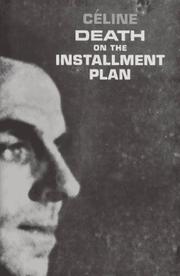 Louis-Ferdinand Céline · 1936Death on the Installment PlanLvl 7Fast paced
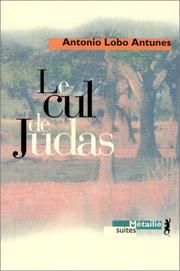 António Lobo Antunes · 1979The Land at the End of the WorldLvl 8Slow burn
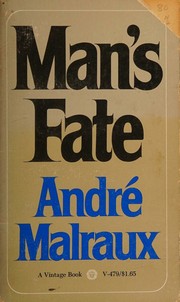 André Malraux · 1933Man's FateLvl 6Medium pace
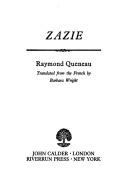 Raymond Queneau · 1959Zazie in the MetroLvl 5Fast paced
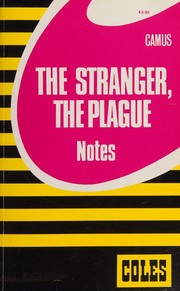 Albert Camus · 1942The StrangerLvl 3Medium pace
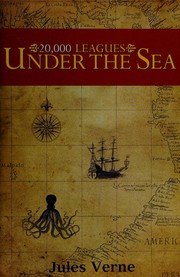 Jules Verne · 1870Twenty Thousand Leagues Under the SeaLvl 3Medium pace