
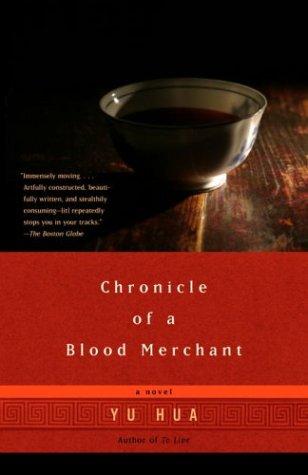
Chronicle of a Blood Merchant
Yu Hua · b. 1960 · China
Originally Xu Sanguan Mai Xue Ji (Chinese) · translated by Andrew F. Jones
Why it matters
A worker survives famine and the Cultural Revolution by repeatedly selling his blood to feed his family. Yu Hua's deadpan tragicomedy of endurance: ordinary decency stretched to its breaking point.
At a glance
Simple, repetitive, folk-tale-like prose despite the grim subject matter.
Deep dive
A silk-factory worker discovers that selling his own blood is the one reliable way to buy his family through each disaster the twentieth century sends them, and Yu Hua tracks exactly what that transaction costs a decent man over forty years.
Written for readers who have finished the book. No plot recap, and nothing here is safe to read first.
Themes & symbolism
Xu Sanguan learns to sell blood before the novel even properly begins, following two village men who explain the custom as proof of a strong body, and the ritual they teach him, drink enormous quantities of water beforehand, spend the payment afterward on fried pork liver and warmed rice wine, becomes the fixed structure Yu Hua returns to at every crisis: a bride price, a son's medical bills, a famine year, another son's near-fatal illness, each one solved the same way, with Xu Sanguan's own blood converted directly into his family's survival. The repetition is the novel's method rather than a limitation of it; Yu Hua's plain, folk-tale cadence makes each return to the blood station land with mounting weight precisely because the reader already knows the shape of the scene.
The clearest moral test in the novel isn't the blood-selling at all but Xu Sanguan's relationship with Yile, his eldest son, whom he learns partway through the book was fathered by another man during his wife Xu Yulan's engagement to someone else. Xu Sanguan's fury is real and sustained, he refuses for a long stretch to treat Yile as fully his own, yet when Yile falls gravely ill years later, Xu Sanguan sells his blood repeatedly, dangerously, across multiple cities in a single trip to pay for treatment, choosing to be the boy's father in practice long after he stopped believing he was the boy's father in fact.
Pork Liver and Wine as a Body's Only Reward
The meal Xu Sanguan buys himself after every blood sale, fried pork liver and two liang of warmed yellow wine, ordered in the exact same words each time, becomes the novel's clearest measure of what his body is worth to him and to the family that depends on it: a small, specific, repeatable pleasure, purchased with his own depleted blood, that never once escalates into greed. Yu Hua uses the meal's steadiness against the chaos surrounding it, famine, political campaigns, his sons' emergencies, to keep the novel's tenderness anchored in something as unglamorous as food a tired man orders for himself.
The last seal: what actually happens, and why it lands the way it does.
The ending, explained
Decades later, with his sons grown and the family finally secure, an old Xu Sanguan feels a craving for fried pork liver and, out of habit rather than need, tries to sell his blood one more time, purely for himself. The blood station rejects him: his blood is too old to be useful, worthless to anyone but him. He walks through the street weeping, undone not by poverty but by the realization that his body has stopped being able to offer his family anything, the one form of usefulness he'd built his whole identity around suddenly closed to him. His wife, understanding exactly what the tears are about, takes him to buy the pork liver and wine anyway, the reward finally detached from the sacrifice that used to earn it.
Where to go next
 Yu Hua · 1993To LiveLvl 3Fast paced
 Lao She · 1937Rickshaw BoyLvl 3Medium pace
 Lu Xun · 1921The Real Story of Ah-Q and Other TalesLvl 5Fast paced
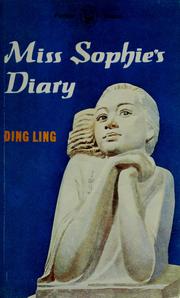 Ding Ling · 1928Miss Sophie's DiaryLvl 4Fast paced
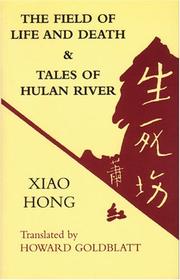 Xiao Hong · 1935The Field of Life and DeathLvl 6Slow burn
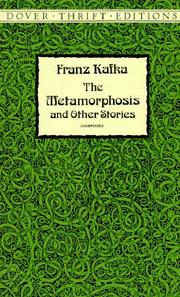 Franz Kafka · 1915The MetamorphosisLvl 4Medium pace