
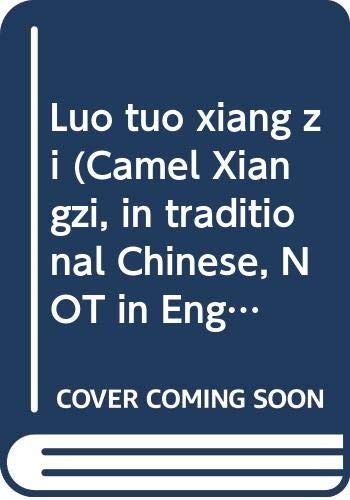
Rickshaw Boy
Lao She · 1899–1966 · China
Originally Luotuo Xiangzi (Chinese) · translated by Howard Goldblatt
Why it matters
An honest Beijing rickshaw puller is ground down by poverty and a merciless city until his decency gives out. Lao She's tragicomic masterpiece of old Beijing and the futility of individual virtue against systemic cruelty.
At a glance
Direct, vernacular prose in a straightforward tragic descent.
Deep dive
A rickshaw puller who wants nothing more than to own the rickshaw under him, and the specific, patient ways 1920s Beijing makes sure that isn't allowed to be enough.
Written for readers who have finished the book. No plot recap, and nothing here is safe to read first.
Themes & symbolism
Xiangzi arrives in Beijing physically magnificent and morally exacting, wanting only to work hard enough, and honestly enough, to buy his own rickshaw and escape the debt-bound rental system that keeps most pullers permanently poor. Lao She sets that ideal up with real sympathy before dismantling it methodically: soldiers requisition his first rickshaw outright, a corrupt secret-police informer extorts the savings meant for his second, and the third eventually has to be sold off to cover a funeral. Each loss is caused by a different, specific failure of the surrounding system rather than by any flaw in Xiangzi's own effort, which is exactly Lao She's point, that individual striving cannot out-earn an economy built to extract more from a laborer than it will ever let him keep.
Huniu, the rickshaw yard owner's unmarried, aging daughter, seduces Xiangzi and then claims a pregnancy to force the marriage neither of them approaches as anything close to a partnership of equals. Lao She refuses to let her stand simply as a villain; her own options, as an unmarried daughter growing older inside her father's business, are narrow enough that entrapping Xiangzi is close to the boldest move available to her, and the marriage becomes less a romance gone wrong than two people with badly mismatched power using each other for the little security either can find.
Xiaofuzi, the neighbor girl Xiangzi genuinely loves rather than merely marries, is repeatedly sold into prostitution by her own father to keep the rest of the family fed, and Lao She sets her fate directly beside Xiangzi's, his body sold by the hour to haul passengers, hers sold by the hour for a different kind of labor, the same economic machinery extracting a different currency from a man's strength and a woman's body but leaving neither of them anything resembling ownership over either.
Camel, Not by Choice
Xiangzi earns his nickname, Camel, after soldiers kidnap him early in the novel and he escapes by stealing away with three of their camels, selling the animals for a fraction of what his lost months of rickshaw-pulling would have earned him. Lao She places this catastrophe before the marriage plot even begins, establishing the novel's structural pessimism early: chance disaster erasing months of careful effort isn't an isolated misfortune here, it's the pattern the rest of the book will simply keep repeating in new forms.
The Happy Ending America Got Instead
The 1945 American translation by Evan King, published without Lao She's meaningful involvement, rewrote the novel's conclusion into a rescue plot in which Xiangzi saves Xiaofuzi from the brothel and the two end up together, a change that suited American wartime and postwar appetite for uplift far better than Lao She's actual, considerably bleaker close did. The altered version became a bestseller in the United States on the strength of an ending its own author never wrote. Later translations, working from the original Chinese text, restored Lao She's real conclusion, turning the King edition into a case study cited whenever translators discuss how much license a publisher can take before a book stops being the one its author published.
The last seal: what actually happens, and why it lands the way it does.
The ending, explained
By the time Xiaofuzi hangs herself in the willow grove behind the brothel her father has repeatedly sold her to, Xiangzi has already lost the last of the resolve that once made him exceptional among Beijing's rickshaw pullers. He sells out an acquaintance involved in underground revolutionary activity for a cash reward, work that gets the man executed, and drifts into the same petty dishonesty and physical decline he once looked down on in older pullers. Lao She's real ending, unlike the rescue Evan King substituted for American readers, gives Xiangzi no redemption: the narrator's closing judgment is scathing, describing him as a selfish, degraded product of a society that manufactures men like him by design and then discards them once they've stopped being useful. The individualist dream Xiangzi arrived with is not defeated by one bad turn of luck. It's ground down, deliberately, by everyone who ever had something to gain from Xiangzi staying poor.
Where to go next
 Lao She · 1946Four Generations Under One RoofLvl 6Medium pace
 Lu Xun · 1921The Real Story of Ah-Q and Other TalesLvl 5Fast paced
 Ba Jin · 1933FamilyLvl 3Medium pace
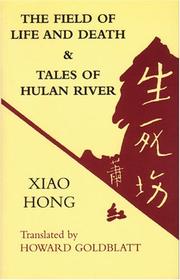 Xiao Hong · 1935The Field of Life and DeathLvl 6Slow burn
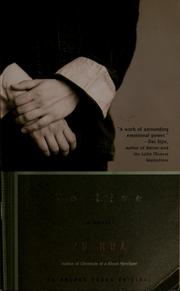 Yu Hua · 1993To LiveLvl 3Fast paced
 Luo Guanzhong · 1400Romance of the Three KingdomsLvl 8Fast paced