
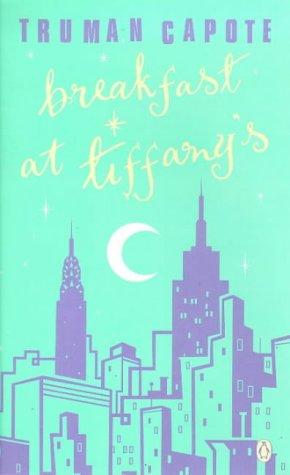
Breakfast at Tiffany's
Truman Capote · 1924–1984 · United States
Why it matters
A café-society drifter named Holly Golightly charms and evades a Manhattan brownstone's other tenants while running from a past she won't name. Capote's glittering, melancholy novella made her an American archetype.
At a glance
Short, glossy prose and a simple frame narrative make this an easy entry point.
Deep dive
Who Holly Golightly actually was before she reinvented herself as a Manhattan cafe-society fixture living off other people's money, and how much of that old self she manages to outrun.
Written for readers who have finished the book. No plot recap, and nothing here is safe to read first.
Themes & symbolism
Capote's unnamed narrator, a young writer new to a Manhattan brownstone in 1943, becomes fascinated by his upstairs neighbor Holly Golightly, a self-invented cafe-society ornament who charms wealthy men into paying her bills without ever quite becoming anyone's mistress in the conventional sense. Capote gives Holly a past she works constantly to outrun: she was born Lulamae Barnes, married at fourteen to a Texas horse doctor named Doc Golightly, and fled that marriage for New York, reinventing herself so thoroughly that when Doc eventually tracks her down in the city, she can barely recognize the girl he remembers.
Holly names her recurring anxiety the mean reds, a dread more specific and more frightening to her than ordinary sadness because she can't locate its cause, and Capote ties the feeling explicitly to her rootlessness: she keeps her apartment nearly empty, refuses to name her cat because naming it would mean claiming it, and insists she'll only feel safe once she finds a real-life place as reassuring as the window display at Tiffany's, itself a fantasy of belonging to something permanent and untouchable.
O.J. Berman, the Hollywood agent who once groomed Holly for stardom before she walked away from a studio contract, calls her a real phony to the narrator, an oxymoron Capote lets stand as the novella's most precise verdict: everything about Holly is invented, her name, her accent, her origin story, and none of it makes her performance any less genuine as the only self she has left to offer.
The Unnamed Cat as Holly's Own Self-Portrait
Holly refuses to name her cat because, by her own logic, naming anything creates an obligation she isn't ready to accept, not to the cat and not to any place or person either; the animal functions throughout the novella as Holly's clearest self-diagnosis, a stray she has taken in but won't fully claim, exactly as she refuses to let New York, or the narrator, or any of her wealthy admirers, fully claim her.
The last seal: what actually happens, and why it lands the way it does.
The ending, explained
Holly is arrested for her unwitting role in a narcotics operation run out of prison visits she's been paid to make to a jailed mobster, Sally Tomato, and while out on bail she learns her brother has died and decides, abruptly, to skip the country rather than face trial. Before she leaves, she puts her cat out into the rain on a Harlem street corner, then immediately regrets it and searches frantically with the narrator, unable to find him again that night. Capote leaves Holly's fate genuinely open, last reported somewhere in South America, sending the narrator only sporadic postcards, while the cat, he learns much later, did find a real home after all, the one small resolution the novel grants to anyone in it.
Where to go next
 Truman Capote · 1966In Cold BloodLvl 5Fast paced
 Patricia Highsmith · 1955The Talented Mr. RipleyLvl 4Fast paced
 Friedrich Dürrenmatt · 1958The PledgeLvl 5Fast paced
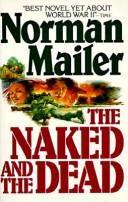 Norman Mailer · 1948The Naked and the DeadLvl 6Fast paced
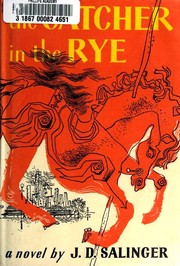 J. D. Salinger · 1951The Catcher in the RyeLvl 3Fast paced
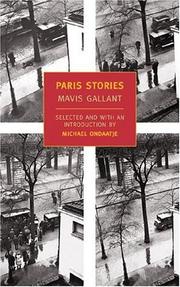 Mavis Gallant · 2002Paris StoriesLvl 5Medium pace