
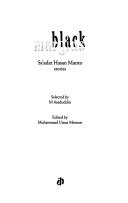
Black Margins
Saadat Hasan Manto · 1912–1955 · Pakistan / India
Originally Siyah Hashiye (Urdu) · translated by M. Asaduddin
Why it matters
Dozens of vignettes, some barely a paragraph long, catalogue Partition's atrocities with a black comedian's timing and a reporter's nerve. Manto's most radical formal experiment: horror compressed until it lands like a punchline aimed straight at the reader.
At a glance
Extremely compressed sketches whose punch depends on grasping what's left unsaid.
Deep dive
Dozens of Partition sketches short enough to read in a breath, and why Manto refused to let a single one of them explain what the reader should feel.
Written for readers who have finished the book. No plot recap, and nothing here is safe to read first.
Themes & symbolism
Siyah Hashiye's sketches run from a paragraph to barely a dozen lines, and Manto strips them down to almost pure action: no city named, no character given a full name, no aftermath supplied. In "Jelly," a sweet-seller is killed in the middle of his own street stall, and the sketch's whole method sits in what happens next: children scavenging the wreckage cannot tell his spilled blood from the jelly candies he sold, and eat both. It never says whether the killing was planned or whether the boys understand what is in their hands. It just shows the confusion and stops.
Several other sketches work the same machinery from a different angle: a man who has just knifed a stranger in a riot pulls back the body's trousers to check, by circumcision, which community he actually killed, a real, documented method rioters used to sort victims by religion, and satisfaction or irritation follows depending on the answer, never remorse at the killing itself. Manto's target is not Hindus or Muslims specifically. It is the administrative calm both sides had learned to bring to this, checking, sorting, correcting mistakes, as though murder were paperwork.
A Book Accused of Having No Politics
Progressive Writers' Movement critics who expected Partition fiction to indict a side, or at least to mourn properly, attacked Siyah Hashiye on publication for refusing to do either: Manto's sketches give the same flat attention to Hindu, Sikh, and Muslim violence alike, and that evenhandedness read, to readers wanting the book to take a moral position, as nihilism rather than restraint. Manto's own defense was that he had only recorded what happened, and that supplying outrage on top of it would have been the actual dishonesty.
Margins as the Book's Own Name for Itself
Siyah Hashiye translates literally as black margins, the annotations scrawled around a text too enormous to print, and the title tells the reader outright what the form is doing: these sketches are not Partition's whole story, they are notes in the margin of an event no single book could contain, a form built to take about as long to read as the violence it describes took to happen.
Where to go next
 Saadat Hasan Manto · 2012Bombay StoriesLvl 4Fast paced
 Ismat Chughtai · 1942The Quilt and Other StoriesLvl 4Fast paced
 Premchand · 1936GodanLvl 3Medium pace
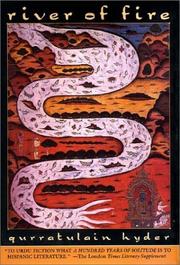 Qurratulain Hyder · 1959River of FireLvl 8Slow burn
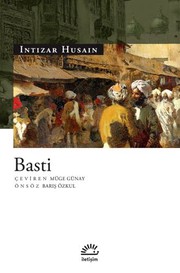 Intizar Husain · 1979BastiLvl 6Slow burn