
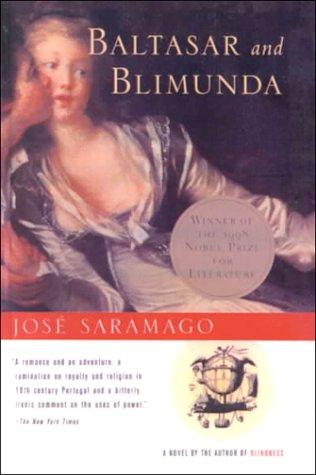
Baltasar and Blimunda
José Saramago · 1922–2010 · Portugal
Originally Memorial do convento (Portuguese) · translated by Giovanni Pontiero
Why it matters
In Inquisition-era Portugal, a one-handed soldier and a clairvoyant woman help a priest build a flying machine powered by human wills. Saramago's breakthrough: history, love, and heresy fused into magical fable.
At a glance
Saramago's signature run-on sentences and unmarked dialogue require constant vigilance.
Deep dive
What it takes to build a flying machine in Inquisition-era Portugal out of iron, amber, and the wills of the dying, and what the two lovers who help build it are still owed by history at the end.
Written for readers who have finished the book. No plot recap, and nothing here is safe to read first.
Themes & symbolism
Padre Bartolomeu Lourenço de Gusmão, a real eighteenth-century Jesuit inventor Saramago fictionalizes wholesale, designs the Passarola, a flying machine that will run not on any conventional fuel but on human wills, captured at the instant of death and sealed into amber globes. Only Blimunda can gather them, seeing what leaves a dying body when she looks on an empty stomach, a gift inherited from a mother the Inquisition has already condemned to exile. Saramago stages the whole project as a quiet theological heist, wringing flight, something that should belong to angels or to God, out of the one human resource the Church has no procedure for confiscating.
The marvel of the Passarola runs directly against the brutal historical fact of Mafra, King João V's vow-driven convent-palace, built by forced labor at ruinous human cost, the hauling of an immense foundation stone, the casting of an enormous bronze bell, workers crushed and starved in the service of royal piety. Saramago intercuts the fantastical machine with unsparing realism about Mafra's construction so that the reader never mistakes one for an escape from the other: both projects are built by ordinary bodies, and only one of them will ever be thanked for it.
Baltasar Sete-Sois, who lost a hand fighting Spain, and Blimunda Sete-Luas, marked from childhood by her mother's condemnation, marry each other rather than the Church or the Crown, and their fidelity across the novel's decades becomes Saramago's real counterweight to Mafra's monument: an unrecorded, working-class loyalty that outlasts the reign built to outlast everyone.
Domenico Scarlatti at the Keys of a Doomed Court
The real composer Domenico Scarlatti, harpsichordist at the Portuguese court, moves through the novel as Baltasar's unlikely friend, one more craftsman whose work the crown consumes without asking what it costs him to make it. Saramago uses Scarlatti's music, built and gone in the same instant it's played, as a smaller echo of the Passarola itself: something made by human hands that outlives the patrons who commissioned it, if it survives at all.
The last seal: what actually happens, and why it lands the way it does.
The ending, explained
Nine years after the Passarola's single flight and the priest's disappearance into exile in Spain, Baltasar is swept up in a mass Inquisition roundup and condemned to burn at an auto-da-fé, the accusation tracing, however obliquely, back to the years he spent helping build a machine that defied both nature and doctrine. Blimunda, who has spent those same nine years wandering Portugal searching for him, arrives at the execution in time only to witness, not to save. Using the gift that first drew Baltasar to her, seeing what is inside things on an empty stomach, she watches his will detach from his burning body and gathers it, refusing to let the state's public verdict be the last word on him. Saramago ends the novel on that private, unwitnessed act of retrieval: history burns Baltasar in front of a crowd, and love reclaims what history was never able to touch.
Where to go next
 José Saramago · 1991The Gospel According to Jesus ChristLvl 7Slow burn
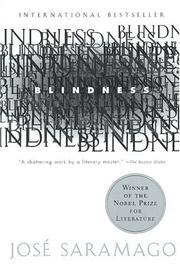 José Saramago · 1995BlindnessLvl 7Medium pace
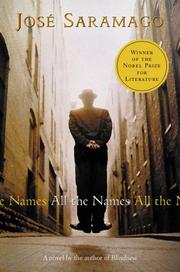 José Saramago · 1997All the NamesLvl 6Slow burn
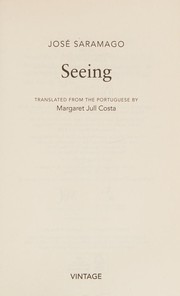 José Saramago · 2004SeeingLvl 7Slow burn
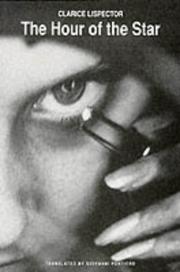 Clarice Lispector · 1977The Hour of the StarLvl 7Slow burn
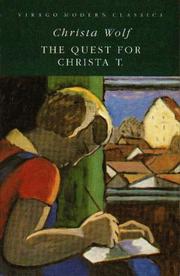 Christa Wolf · 1968The Quest for Christa T.Lvl 7Slow burn