
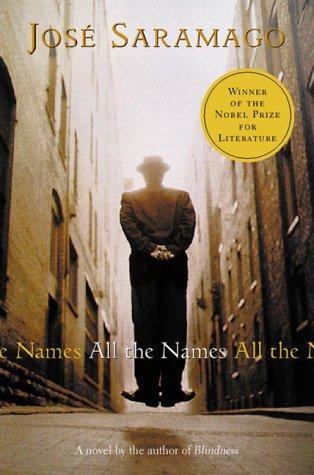
All the Names
José Saramago · 1922–2010 · Portugal
Originally Todos os Nomes (Portuguese) · translated by Margaret Jull Costa
Why it matters
A lonely clerk at a vast Central Registry of the living and the dead secretly pursues the file of a woman he has never met. Saramago's most intimate late novel turns bureaucracy itself into a meditation on mortality and obsession.
At a glance
Quieter and shorter than his major novels, but still built from the same unbroken, unpunctuated sentences.
Deep dive
What a lonely clerk in a vast civil registry does with the one index card he pockets for himself, and how far a bureaucracy will let you go before it notices you have started writing your own file.
Written for readers who have finished the book. No plot recap, and nothing here is safe to read first.
Themes & symbolism
Senhor José works as the lowest-ranked clerk at the Central Registry of Births, Marriages and Deaths, a building so enormous that its shelving corridors run back for what registry legend claims are kilometers, with a single crumbling interior wall separating the files of the living from the vastly larger files of the dead. Saramago builds the whole novel out of that architecture: bureaucracy here is not an obstacle to mortality but a second, parallel necropolis, and José's illicit after-hours visits to the archive, tying a length of string to the door so he can find his way back out, turn paperwork retrieval into something closer to a descent.
José's one private hobby before the novel starts is collecting newspaper clippings about famous people, a harmless substitute intimacy with lives he will never touch; when he pulls, apparently by accident, the card of an anonymous, unremarkable woman instead, the obsession that follows is really the same habit turned toward someone his own size, and it is precisely her ordinariness, no fame, no scandal, that makes his search feel less like curiosity and more like a species of love he has no other outlet for.
The string José ties to himself in the dark archive recalls a story he half remembers about a shepherd who used a similar trick, marking a trail so as never to lose his way among his own flock, and Saramago lets that folk image stand in for what writing itself does: a thread laid down after the fact, which is also the exact method of this novel's own long, winding, almost punctuation-free sentences, following one clause into the next by touch rather than by plan.
The Registrar Who Had Been Watching the Whole Time
José's nighttime searches are, in theory, a serious breach, and the novel's late confrontation with the Registrar, his superior, threatens for a moment to end in dismissal or worse. Instead the Registrar reveals he has known for some time and, rather than reporting José, effectively deputizes his obsession, hinting that the strict boundary between the archive of the dead and the records of the living exists to be quietly crossed by exactly the kind of devotion José has been practicing. The scene turns the novel's antagonist into something closer to a fellow keeper of the same secret, complicit rather than punitive.
The last seal: what actually happens, and why it lands the way it does.
The ending, explained
José traces the woman as far as a hospital record and finally a cemetery, where he discovers her grave has been mismarked, her identity swapped with a stranger's headstone through the same kind of clerical error he handles every day at work. Rather than correct it through official channels, he leaves the mistake as he finds it, a private, unspoken monument only he will ever be able to read correctly. He never meets her, never learns why he chose her card at all, and the novel ends with that unresolved devotion treated not as failure but as its own completed act, a life fully mapped by a man she will never know existed.
Where to go next
 José Saramago · 1982Baltasar and BlimundaLvl 7Medium pace
 José Saramago · 1991The Gospel According to Jesus ChristLvl 7Slow burn
 José Saramago · 1995BlindnessLvl 7Medium pace
 José Saramago · 2004SeeingLvl 7Slow burn
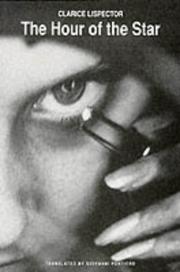 Clarice Lispector · 1977The Hour of the StarLvl 7Slow burn
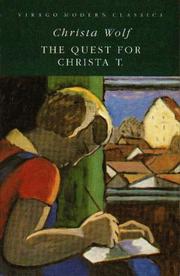 Christa Wolf · 1968The Quest for Christa T.Lvl 7Slow burn