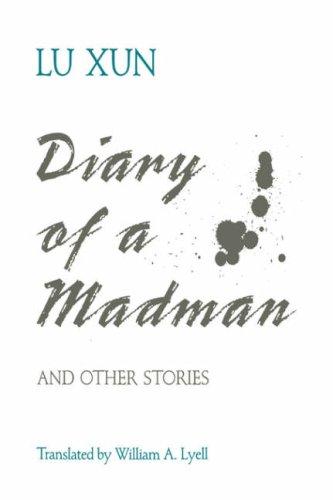
A Madman's Diary
Lu Xun · 1881–1936 · China
Originally Kuangren Riji (Chinese) · translated by Julia Lovell
Why it matters
A man becomes convinced his neighbors are cannibals, and that Chinese tradition itself has been eating people for millennia. Lu Xun's ferocious debut, the first story in vernacular Chinese, launched modern literature with a scream.
At a glance
Unreliable narrator and dense allegorical layering compressed into a few pages.
Deep dive
A man convinced that his neighbors, his own brother, and four thousand years of Chinese history are all quietly practicing cannibalism, and why Lu Xun wants every word of that taken literally.
Written for readers who have finished the book. No plot recap, and nothing here is safe to read first.
Themes & symbolism
The narrator's paranoia arrives with a specific piece of textual evidence: paging through a history book with no dates, he finds the words benevolence and righteousness written across every page, and reads, between those lines, only the words eat people. Lu Xun's target is the Confucian social order itself, which he presents as a system that has sustained its own hierarchies for millennia by consuming the individuals underneath them, a metaphor the diary refuses to keep metaphorical, since the narrator becomes increasingly convinced that the villagers, and eventually his own brother, are preparing to eat him next.
The story's frame, a short classical-Chinese preface reporting that the diarist has since recovered and taken up an official post, and the vernacular baihua diary itself, stage the exact argument Lu Xun was making about language and reform: the old written register belongs to the very order that produces cannibalism, while the new colloquial one is the only voice capable of naming it plainly. That the 'cured' madman ends up rejoining the system that terrified him is not a happy ending dressed as an epilogue. It's the story's bleakest joke, that sanity here means resuming your place inside the machine.
The Preface That Undercuts the Diary
The classical-language frame narrator's brief, formal report that his old schoolmate has been cured and now awaits an official appointment sits directly against everything the diary itself has just argued. Lu Xun gives the last institutional word to the very register of language and authority the diary spent its length indicting, and lets the mismatch stand without comment. Readers are meant to notice that a recovery certified by the same society the narrator accused of cannibalism is not obviously a recovery at all.
The First Text of Modern Chinese Fiction
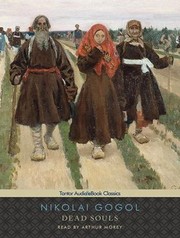
Published in the magazine New Youth in 1918, this was the first major work of fiction written in vernacular baihua rather than classical Chinese, and it became the founding text of the New Culture Movement's literary wing almost overnight. The title is borrowed directly from Gogol, whom Lu Xun had read in translation, but the material is entirely repurposed, a Russian bureaucrat's private delusion turned into a specifically Chinese indictment of a whole civilization's inherited moral vocabulary. Few short stories anywhere have done as much institutional work in as few pages.
The last seal: what actually happens, and why it lands the way it does.
The ending, explained
As the diary progresses, the narrator's suspicion narrows toward something worse than a threat from strangers: recalling that his younger sister died young, he begins to suspect that her flesh was served to the family, unknowingly, in a dish meant as a filial cure for their father's illness, a practice with real historical precedent in Chinese folk medicine. That would make him complicit, however unwittingly, in the very crime he's spent the diary accusing everyone else of. The entries end with a plea rather than a resolution, that there might still be children somewhere who have not yet learned to eat people, and Lu Xun offers no assurance that the plea is heard.