
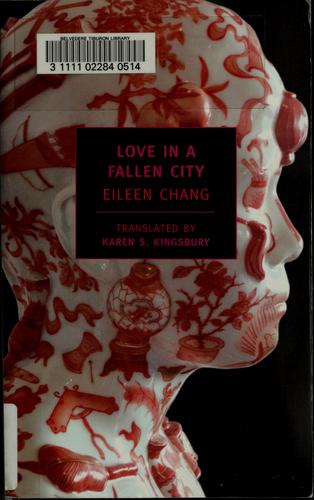
Love in a Fallen City
Eileen Chang · 1920–1995 · China / USA
Originally Qingcheng zhi Lian (Chinese) · translated by Karen Kingsbury
Why it matters
A divorcée and a playboy circle each other in a calculated courtship, each testing how much the other will risk, as Hong Kong falls to the Japanese around them. Chang's worldly, desolate stories made style itself a form of survival.
At a glance
Densely ironic, image-rich prose that rewards slow, attentive reading.
Deep dive
A divorced woman and a cynical playboy spend most of this novella testing whether the other one is bluffing, until Hong Kong itself intervenes.
Written for readers who have finished the book. No plot recap, and nothing here is safe to read first.
Themes & symbolism
Bai Liusu, divorced and treated by her own Shanghai family as an embarrassment they'd rather not keep feeding, is pushed into a courtship originally meant for her younger sister with Fan Liuyuan, a wealthy, Westernized overseas Chinese playboy with no interest in being tied down. Chang stages their entire Hong Kong courtship, hotel lobbies, dance floors, carefully calibrated jealousy, as a negotiation between two people whose desire is inseparable from their leverage: Liuyuan wants her without the obligation of marriage, and Liusu, with no other route to financial or social security available to a divorced woman in her family's eyes, can't afford to want him back without securing it.
Chang's prose stays clinical about all of this by design, refusing the reader the comfort of reading Liusu and Liuyuan's maneuvering as romance simply delayed. The strategy is the relationship for most of the story's length, right up until the war that neither of them has been paying much attention to arrives at the Repulse Bay Hotel's doorstep and strips away the social theater that had made the standoff possible in the first place.
The Repulse Bay Hotel as a Stage
Chang sets most of the courtship inside Hong Kong's colonial hospitality world, expatriate hotels and dance halls where wealthy Chinese and European guests perform a shared, imported idea of sophistication for each other's benefit. That setting matters to the novella's argument: Liusu and Liuyuan aren't just negotiating with each other, they're negotiating inside a specific, performative colonial social economy that rewards exactly the kind of calculated charm both of them have perfected, which is part of why neither can fully trust what the other one actually feels underneath it.
Eileen Chang's Occupied Shanghai
Chang published this novella in 1943 in Japanese-occupied Shanghai, where she had quickly become one of the era's most read and most controversial writers, not least because of her own relationship soon after with Hu Lancheng, an official who had collaborated with the occupation government. Reading the novella against that biography sharpens its interest in intimacy purchased or secured under conditions neither party fully controls, a subject Chang would go on living out in her own life in ways considerably more compromising than anything she gives Liusu.
The last seal: what actually happens, and why it lands the way it does.
The ending, explained
The Japanese assault on Hong Kong in December 1941 breaks over the city while Liusu and Liuyuan are still circling each other, and the ensuing chaos, bombed streets, cut utilities, real physical danger, does what months of courtship couldn't: it collapses the performance both of them had been maintaining and leaves them relying on each other without an audience to perform for. Liuyuan, no longer able to treat commitment as a threat to his freedom when survival is the more immediate question, marries her once the worst of the danger passes. Chang's narrator closes with a famously deflating aside, that it apparently took the fall of an entire city to bring about one small, ordinary marriage, and refuses to let the reader mistake the arrangement for a conventional romantic triumph rather than what it actually is, a fragile peace negotiated under fire.
Where to go next
 Eileen Chang · 1979Lust, CautionLvl 6Fast paced
 Wang Anyi · 1995The Song of Everlasting SorrowLvl 6Slow burn
 Shen Congwen · 1934Border TownLvl 3Slow burn
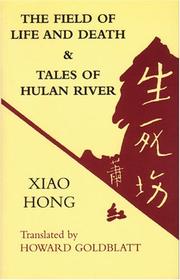 Xiao Hong · 1935The Field of Life and DeathLvl 6Slow burn
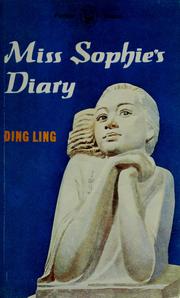 Ding Ling · 1928Miss Sophie's DiaryLvl 4Fast paced
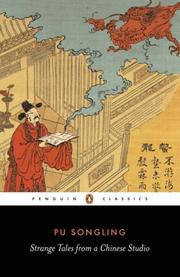 Pu Songling · 1766Strange Tales from a Chinese StudioLvl 5Fast paced