
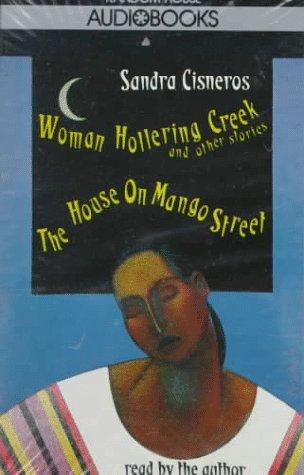
Woman Hollering Creek
Sandra Cisneros · b. 1954 · United States / Mexico
Why it matters
Twenty-two stories move between Texas border towns and Mexico, voicing girls and women against the undertow of machismo, faith, and telenovela romance. Cisneros followed Mango Street's vignettes with a fuller, funnier range of voices.
At a glance
Varied narrative voices and forms across stories, though each remains accessible on its own.
Deep dive
How Sandra Cisneros followed one girl's Chicago vignettes with a fuller cast of border women, from a folk ghost's scream to a set of handwritten prayers pinned to a church wall.
Written for readers who have finished the book. No plot recap, and nothing here is safe to read first.
Themes & symbolism
The title story relocates the collection's central drama to the Texas-Mexico border: Cleofilas crosses over as a new bride to a town literally named for La Llorona, the weeping woman of Mexican folklore, and Cisneros lets that legend's meaning shift under her, what sounds like grief from the arroyo outside Cleofilas's abusive household starts to sound, by the story's end, like something closer to rage. Felice, the local woman who drives Cleofilas to the bus station and hollers in triumph crossing the same creek, gives the myth its rewrite: a woman's scream doesn't have to be sorrow.
"Never Marry a Mexican" takes the opposite register, Clemencia's cold, controlling account of an affair with a wealthy white man and, later, his son, narrated with a bitterness that refuses the reader's sympathy as pointedly as Cleofilas's story courts it. Cisneros moves this freely across the whole collection, comic, furious, tender, sometimes within the same story, so that no single voice gets to stand in for what a Chicana woman's interior life is supposed to sound like.
"Little Miracles, Kept Promises" closes the book with a chorus of handwritten notes pinned to a church altar alongside milagros, small tin charms, ranging from a child's prayer for a bicycle to a grown woman's furious rejection of the Virgin as a model for female submission. That polyphonic structure, dozens of unconnected voices sharing one wall, argues that the book's real subject was never a single heroine but the whole range of what women along this border actually pray for, want, and refuse.
La Llorona Rewritten as Triumph
Cisneros inherits La Llorona from centuries of Mexican folklore, where the weeping woman's cry is a warning and a punishment, and deliberately relocates that grief onto Cleofilas's own domestic terror before handing the ending to Felice, who owns a pickup truck, laughs at the idea a woman needs anyone's permission to drive, and hollers with joy at the same creek. The retelling doesn't erase the myth's violence so much as insist a woman gets to choose which half of the sound, the weeping or the shout, belongs to her.
Milagros as a Form of Narration
The closing story borrows its structure directly from the small tin charms Mexican Catholics pin beside prayers, a leg for a healed leg, a heart for a broken one, and lets each note stand entirely on its own without connecting tissue or commentary. Cisneros ends the collection on Chayo, a young artist who nails up her own braid rather than a milagro and rejects the Virgin of Guadalupe as a model of passive suffering, a final voice that reframes every prayer that came before it as a woman negotiating, not simply accepting, what she's been handed.
Where to go next
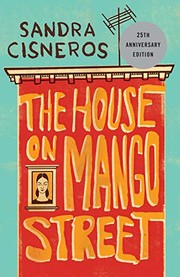 Sandra Cisneros · 1984The House on Mango StreetLvl 3Fast paced
 Sandra Cisneros · 2002CarameloLvl 5Medium pace
 Jhumpa Lahiri · 1999Interpreter of MaladiesLvl 3Medium pace
 Louise Erdrich · 1984Love MedicineLvl 6Medium pace
 Michael Chabon · 2000The Amazing Adventures of Kavalier and ClayLvl 5Fast paced
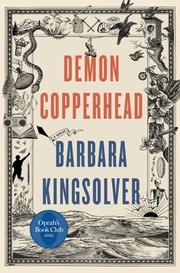 Barbara Kingsolver · 2022Demon CopperheadLvl 4Fast paced