
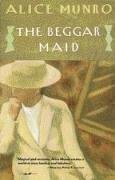
Who Do You Think You Are?
Alice Munro · 1931–2024 · Canada
Why it matters
Rose claws her way out of a poor Ontario town through an actress's life and a string of unequal marriages, story by story across decades. Munro's Governor General's Award winner (published in the US as The Beggar Maid) tracks class shame with unsparing precision.
At a glance
Nonlinear chronology across linked stories asks readers to assemble Rose's life themselves.
Deep dive
What Flo actually is to Rose, stepmother, tormentor, and closest witness all at once, and how a man named Milton Homer, barely present in the book, ends up explaining what all of Hanratty's performing is really for.
Written for readers who have finished the book. No plot recap, and nothing here is safe to read first.
Themes & symbolism
Rose grows up on the poor side of Hanratty with her father and her stepmother Flo, who runs the family store and swings, story to story, between casual cruelty and fierce, unglamorous loyalty. 'Royal Beatings' sets the pattern early: Flo goads Rose's father into punishing her, then sits outside the door in evident distress at what she's provoked, a contradiction the rest of the book never fully resolves and doesn't try to.
Rose's escape runs through a scholarship and an unequal marriage to the wealthy Patrick Blatchford, who insists on comparing her to the woman in Burne-Jones's painting 'King Cophetua and the Beggar Maid,' a comparison Rose comes to resent precisely because it erases West Hanratty in favor of a fairy tale. Later stories track her into an unstable career as a television actress, each new identity another attempt to outrun the town Flo's voice never lets her fully leave.
'Wild Swans' pushes the pattern of Rose learning what her own body is worth into outright ambiguity earlier still: on a train to Toronto, a stranger beside her, praying loudly one moment and touching her the next, leaves Rose unsure afterward whether she was assaulted, seduced, or partly imagined the whole encounter, an uncertainty Munro treats as formative rather than as straightforward trauma.
Flo's Store as Rose's Real Education
Flo's blunt, performative store-counter talk, her stories about neighbors, her contempt dressed up as advice, teaches Rose to perform a self for an audience long before any stage does, and Munro traces Rose's later acting career back to that counter rather than to any school or ambition Rose could name herself.
Milton Homer's Two Aunts and the Parade
Milton Homer, a developmentally disabled man dressed and marched through every Hanratty parade by his two elderly aunts, appears only briefly in the title story, yet Rose recognizes in him, late in her own life, the same arrangement she's lived inside: a person put on display, costumed and coached by whoever loves them enough to keep doing it, which is exactly the taunt Flo used on Rose whenever she got above herself, who do you think you are.
Where to go next
 Alice Munro · 1971Lives of Girls and WomenLvl 5Medium pace
 Alice Munro · 2001Hateship, Friendship, Courtship, Loveship, MarriageLvl 5Medium pace
 Alice Munro · 2004RunawayLvl 5Medium pace
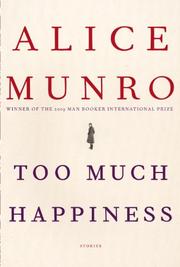 Alice Munro · 2009Too Much HappinessLvl 6Medium pace
 Alice Munro · 2012Dear LifeLvl 5Medium pace
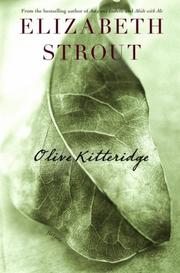 Elizabeth Strout · 2008Olive KitteridgeLvl 4Medium pace