
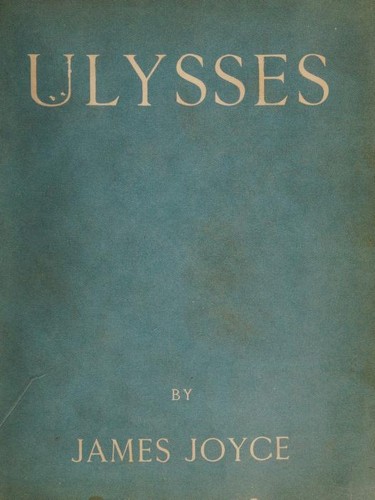
Ulysses
James Joyce · 1882–1941 · Ireland
Why it matters
One Dublin day mapped onto the Odyssey, every chapter a different style, ending in Molly Bloom's unpunctuated yes. Banned, pirated, and worshipped: the summit of modernism and the novel other novels measure themselves against.
At a glance
Each chapter adopts a radically different style, from stream of consciousness to dramatic script to unpunctuated monologue.
Deep dive
How one ordinary Dublin Thursday became the most exhaustively engineered day in fiction, a different style built for every hour.
Written for readers who have finished the book. No plot recap, and nothing here is safe to read first.
Themes & symbolism
Leopold Bloom is the least heroic hero literature has ever centered a day on — a cuckolded ad canvasser, gentle to strangers and animals, Jewish in a Catholic city that never lets him forget it — and that's the point. Joyce maps him onto Odysseus not to elevate him but to argue the opposite: that endurance, curiosity, and ordinary kindness are the actual heroic virtues, no ten-year war required. Stephen Dedalus, still mourning his mother and estranged from his own father, drifts toward Bloom all day as an unacknowledged Telemachus; their near-meeting in the cabman's shelter and later at Bloom's kitchen table is the emotional payoff of a book that otherwise refuses sentiment, two lonely men briefly overlapping before drifting apart again.
Molly Bloom, present all day only through Leopold's memory and Boylan's visit, finally speaks for herself in the last chapter — and her interior monologue, run without punctuation for pages at a stretch, is less an experiment for its own sake than an argument that consciousness itself doesn't come in sentences. Her grief for their dead infant son Rudy, her contempt and desire and boredom, all pour together unfiltered, refusing the tidy moral judgment the rest of Dublin would pass on an adulterous wife.
A Style for Every Organ
Joyce famously assigned each episode its own organ, art, and technique, and let the prose itself perform the meaning rather than describe it. The eighteen episodes map onto the Odyssey's structure so closely that Joyce circulated schemas keying each one to a Homeric parallel, a Dublin location, a color, and a symbol, even though the novel itself never states the correspondences outright. 'Aeolus' is set in a newspaper office and written in journalistic headlines because its organ is the lungs; 'Oxen of the Sun' unfolds in a maternity hospital as a chronological pastiche of English prose styles from Anglo-Saxon to slang, literally gestating the language as a baby gestates; 'Circe' collapses into a hallucinatory nighttime playscript as Bloom and Stephen's drink and exhaustion blur fact into fantasy; 'Ithaca' answers the day's loose ends in a deadpan question-and-answer catechism, all skeleton and no flesh. The style isn't decoration — it's the book's real plot.
The last seal: what actually happens, and why it lands the way it does.
The ending, explained
Bloom comes home past midnight to find physical evidence of Blazes Boylan's visit — displaced furniture, cigarette ash, a flake of potted meat — and performs a small, deliberate ritual instead of a confrontation: he explains away his day evasively, kisses Molly's bottom in greeting, and gets into bed head-to-foot beside her. The 'Ithaca' chapter renders all this in flat, encyclopedic Q&A, refusing him even the dignity of interior anguish. The novel then hands the last word entirely to Molly: eight enormous, unpunctuated sentences drifting through Gibraltar, courtship, Boylan, and motherhood, landing on the memory of accepting Leopold's proposal on Howth Head and closing 'and yes I said yes I will Yes.' It's affirmation earned through everything that's gone wrong that day, not despite it.
Where to go next
 James Joyce · 1914DublinersLvl 3Slow burn
 James Joyce · 1916A Portrait of the Artist as a Young ManLvl 6Slow burn
 James Joyce · 1939Finnegans WakeLvl 10Slow burn
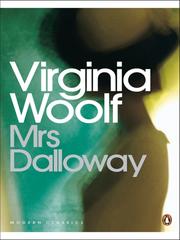 Virginia Woolf · 1925Mrs DallowayLvl 7Slow burn
 Eyvind Johnson · 1946Return to IthacaLvl 6Medium pace
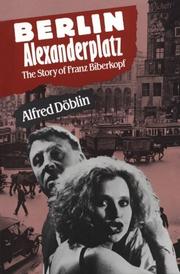 Alfred Döblin · 1929Berlin AlexanderplatzLvl 8Slow burn