

The Shipyard
Juan Carlos Onetti · 1909–1994 · Uruguay
Originally El astillero (Spanish)
Why it matters
Larsen returns to the coastal town of Santa María to manage a bankrupt, rusting shipyard as though it still did business, courting its owner's addled daughter in an elaborate shared delusion. Onetti's bleakest study of dignity sustained by pure self-deception.
At a glance
A static, claustrophobic plot and a narrator who withholds as much as he reveals demand patience.
Deep dive
A disgraced con man returns to a rotting shipyard to run a business that does nothing, court a woman who cannot really understand him, and treat both as though they're completely real.
Written for readers who have finished the book. No plot recap, and nothing here is safe to read first.
Themes & symbolism
Larsen, exiled from Santa María five years earlier over his connection to a brothel, returns to take the meaningless post of general manager at an idle shipyard owned by the half-ruined magnate Jeremías Petrus, and Onetti builds the entire novel around the gap between the post's total unreality, there's no cargo, no maintenance, no functioning business of any kind, and the exacting, self-serious professionalism Larsen brings to performing it anyway. His fellow administrators, Gálvez and Kunz, receive no salary and do no real work beyond occasional clandestine sales of the shipyard's rusting parts for their own survival, yet all three men maintain the fiction of a functioning enterprise with a formality that borders on ritual.
Larsen's courtship of Angélica Inés, Petrus's intellectually disabled daughter, runs on the same logic as his employment, a performance of respectability and romantic pursuit conducted toward someone who cannot meaningfully consent to or even fully register what's happening between them. Onetti refuses to let this read as simple predation or simple pathos. Larsen appears to genuinely need the fiction of the courtship as much as he needs the fiction of the job, both function as his last available proof that he still belongs to a world of ordinary human transactions rather than the wreckage he's actually operating inside.
Petrus himself never appears as anything but a distant, half-mythical figure, glimpsed occasionally issuing instructions from behind a locked office door, and that scarcity is deliberate: the shipyard's entire skeleton crew is sustaining a fiction of ownership and purpose that the supposed owner may no longer believe in any more firmly than they do.
Santa María as a Society Playing Dead
Critics have long read the shipyard's elaborate, functionless hierarchy as an allegory for Uruguayan institutional decline, a country maintaining the outward forms of commerce, government, and civic life well past the point those forms still served any real function, and Onetti's flat, exacting prose style, describing decayed machinery and empty offices with the same procedural seriousness a report on a thriving business would use, is what makes the allegory land without ever announcing itself as one. The shipyard doesn't need to collapse dramatically because it collapsed long before the novel opened. What Onetti is actually interested in is how long people will keep performing a system's rituals after the system itself has already died underneath them.
The last seal: what actually happens, and why it lands the way it does.
The ending, explained
Petrus is eventually arrested for fraud connected to the shipyard's supposed operations, exposing what Larsen, Gálvez, and Kunz had all, on some level, already known: that the enterprise was never going to become real no matter how faithfully they performed their roles inside it. Larsen leaves Santa María a second time, this time for good, his brief comeback attempt ending not in dramatic ruin but in a quiet, almost administrative dissolution that matches the shipyard's own style of decay. Onetti denies Larsen any final reckoning or self-awareness about what the whole doomed performance meant. He simply goes, and the novel's last image is less a man defeated than a man who has run out of roles left to rehearse.
Where to go next
 Juan Carlos Onetti · 1941No Man's LandLvl 7Slow burn
 Juan Carlos Onetti · 1950A Brief LifeLvl 8Slow burn
 William Faulkner · 1930As I Lay DyingLvl 9Medium pace
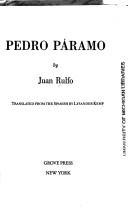 Juan Rulfo · 1955Pedro PáramoLvl 7Slow burn
 Carlos Fuentes · 1962The Death of Artemio CruzLvl 8Slow burn
 Mario Vargas Llosa · 1963The Time of the HeroLvl 6Medium pace