
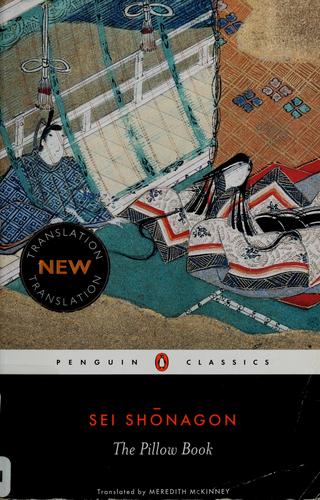
The Pillow Book
Sei Shōnagon · 966 CE–1025 · Japan
Originally Makura no Sōshi (Japanese) · translated by Meredith McKinney
Why it matters
Diary entries, court gossip, and famously opinionated numbered lists ('Hateful things,' 'Elegant things') assemble into the Heian court's sharpest, wittiest record. Written alongside The Tale of Genji, it proves the era's psychological refinement was a shared achievement, not one novelist's alone.
At a glance
Miscellaneous list-and-diary form with dense court references assumes unfamiliar cultural context.
Deep dive
What hundreds of diary entries, seasonal notes, and pointedly opinionated lists reveal about the one Heian court value Sei Shōnagon refused to fake: exactly what she found beautiful and exactly what she couldn't stand.
Written for readers who have finished the book. No plot recap, and nothing here is safe to read first.
Themes & symbolism
Its most quoted line, 'In spring, the dawn,' leads off the collection, and the four seasonal vignettes that follow set a standard the rest of the text keeps testing rather than obeying: aesthetic judgment stated as plain fact, no hedging, no appeal to precedent. Sei Shōnagon served Empress Teishi as a lady-in-waiting through the 990s, and the book's roughly three hundred numbered lists, 'Hateful Things,' 'Elegant Things,' 'Things That Make the Heart Beat Faster,' function as a running index of her own taste, confident to the point of ruthlessness about which sounds, smells, social manners, and men clear her bar and which embarrass everyone around them.
Where The Tale of Genji, composed at the same court within a few years of this book, builds its psychological interiority through a single sustained fiction, Sei Shōnagon gets there through fragments: diary entries recording actual exchanges with Empress Teishi sit beside essayistic riffs on what makes a lover's early-morning departure elegant or clumsy, and the cumulative effect is a mind caught in the act of forming its opinions rather than a character built to house them. Her snobbery, toward provincial manners, toward men who write a clumsy hand, toward anyone visibly straining to seem cultured, reads less as a flaw the text is aware of than as its organizing sensibility, and the book is more interesting for refusing to apologize for it.
A Rivalry the Book Barely Mentions
Sei Shōnagon served Empress Teishi's court at the same moment Murasaki Shikibu, author of The Tale of Genji, served her rival Empress Shōshi's, and centuries of readers have enjoyed pitting the two women against each other, helped along by Murasaki's own diary, which accuses Sei Shōnagon of insufferable showiness and shallow Chinese learning. The Pillow Book itself barely acknowledges any of this; its energy goes toward the immediate texture of court life rather than literary rivalry, which makes Murasaki's jab, preserved by accident in a diary never meant to settle scores publicly, the closest thing either woman left behind to a direct confrontation.
Hateful Things as a Genre of Its Own
The 'Hateful Things' list, one of the book's most famous, catalogs irritations with an exactness that turns minor social friction into comedy: a guest who overstays a visit while the host is desperately signaling otherwise, a crying baby during a moment that calls for silence, a man who nods off during a woman's carefully composed conversation. Later Japanese writers, notably the essayist Yoshida Kenkō three centuries afterward, borrowed this list form wholesale, but Sei Shōnagon's version keeps a specificity, actual named annoyances rather than general moralizing, that makes it read like observed life rather than inherited wisdom about how court ladies were supposed to complain.
Where to go next
 Murasaki Shikibu · 1010The Tale of GenjiLvl 8Slow burn
 Michel de Montaigne · 1580The EssaysLvl 6Slow burn
 Kōbō Abe · 1962The Woman in the DunesLvl 5Medium pace
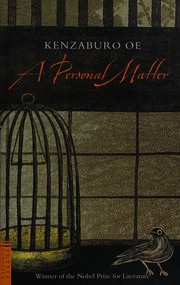 Kenzaburō Ōe · 1964A Personal MatterLvl 5Medium pace
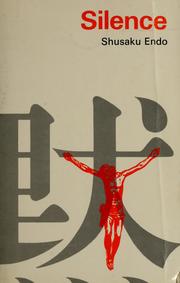 Endō Shūsaku · 1966SilenceLvl 5Slow burn
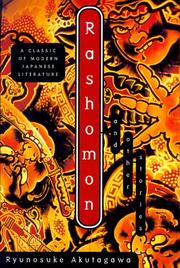 Ryūnosuke Akutagawa · 1915Rashōmon and Other StoriesLvl 5Fast paced