
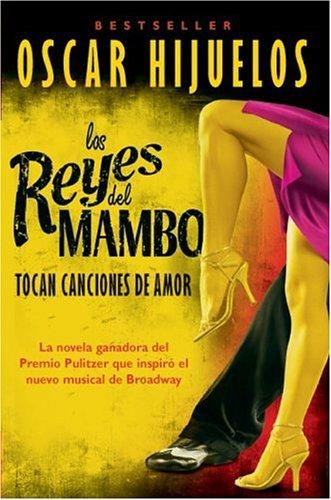
The Mambo Kings Play Songs of Love
Oscar Hijuelos · 1951–2013 · USA
Why it matters
Two Cuban brothers chase musical stardom through 1950s New York's mambo clubs, their one real brush with fame (a guest spot on I Love Lucy) replayed for the rest of their disappointing lives. Hijuelos's Pulitzer winner made him the prize's first Latino recipient.
At a glance
Nonlinear, memory-driven structure moves fluidly between decades and requires tracking two intertwined lives.
Deep dive
Why one guest spot on I Love Lucy becomes the ceiling of an immigrant life, and what Nestor's one unfinished song is really mourning.
Written for readers who have finished the book. No plot recap, and nothing here is safe to read first.
Themes & symbolism
Hijuelos frames the brothers as complementary halves of a single immigrant fantasy: Cesar all appetite and performance, chasing women and stardom through 1950s New York's mambo clubs with a confidence that reads, over five hundred pages, increasingly like armor; Nestor melancholic and inward, unable to get past a doomed love affair back in Cuba with a woman named María, whom he commemorates by writing and endlessly rewriting the same song, "Beautiful María of My Soul," twenty-two variations of a wound that won't close. Their one real brush with fame — a guest appearance as musicians on I Love Lucy, playing that very song for Lucille Ball and Desi Arnaz — becomes, in retrospect, the entire trajectory of the American Dream compressed into a single afternoon: arrival, visibility, applause, and then nothing, because the culture that briefly noticed them had no further use for them.
The novel's real subject is diminishment rather than rise — not the immigrant success story but its more common shadow, in which early promise curdles slowly into disappointment nobody named at the time. Nestor's death in a car accident cuts off his half of the story just as it seemed to be resolving into stability (a wife, children, a job), leaving Cesar to live out the second half of the book essentially alone, drinking, aging in a residential hotel, replaying the Lucy episode on television reruns as if rewatching it might restore what came after. Music itself, so central to the brothers' identity and courtship of America, becomes over the course of the novel an elegy for exactly the euphoria it once promised.
One Song, Told Twenty-Two Ways
"Beautiful María of My Soul" isn't just a plot detail, it's the novel's structural principle in miniature: Hijuelos gives us the song's history and several of its shifting lyrics across the book, each version inflected by whatever Nestor is feeling at the time he revises it, so that a single lost love gets processed and reprocessed the way the whole narrative keeps circling back over the same handful of formative memories rather than marching forward. Grief, the novel suggests, isn't resolved by narrative progress; it's managed by repetition, verse after verse, take after take.
The last seal: what actually happens, and why it lands the way it does.
The ending, explained
Years after Nestor's death, Cesar Castillo is old, drinking heavily, and largely forgotten, living out his days above the old Club Havana with little to show for the ambition that drove the brothers north. Looking back over a life that never matched its early promise, he keeps returning to the I Love Lucy appearance as the genuine high point — a few minutes of national visibility that the rest of his career, in retrospect, only receded from. The novel closes on this elegiac note rather than a redemptive one: fame, for immigrants who briefly touched American celebrity, is treated here as a door that opens once, closes, and leaves the rest of a life to be lived in its afterglow.
Where to go next
 Alice McDermott · 1998Charming BillyLvl 5Slow burn
 Jane Smiley · 1991A Thousand AcresLvl 5Medium pace
 Amy Tan · 1989The Joy Luck ClubLvl 4Medium pace
 Edward P. Jones · 2003The Known WorldLvl 6Slow burn
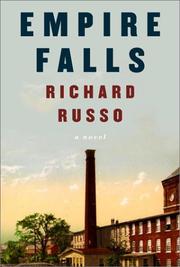 Richard Russo · 2001Empire FallsLvl 4Medium pace
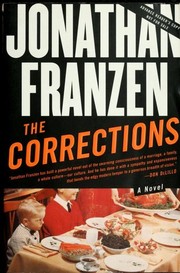 Jonathan Franzen · 2001The CorrectionsLvl 6Medium pace