
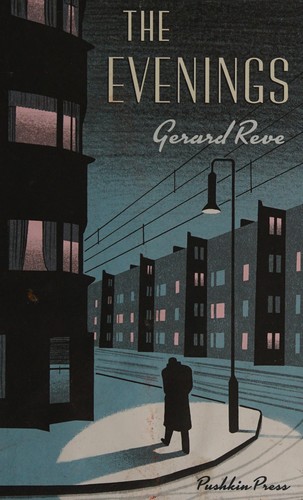
The Evenings
Gerard Reve · 1923–2006 · Netherlands
Originally De avonden (Dutch)
Why it matters
Bored office clerk Frits van Egters drifts through ten aimless December evenings of morbid jokes and quiet dread, waiting for a life that refuses to start. Reve's postwar debut, voted the best Dutch novel of the century, made banality itself a subject worth this much precision.
At a glance
Plain, deadpan prose; the challenge is tonal: reading dread inside comic banality.
Deep dive
Why an aimless clerk counting down the ugliest December of his short life ends the book sounding almost grateful, and what that gratitude is actually doing.
Written for readers who have finished the book. No plot recap, and nothing here is safe to read first.
Themes & symbolism
Reve gives Frits nothing to do and nowhere to be for ten December evenings, and treats that emptiness with the same ceremonious attention a more eventful novel would give a wedding or a death: a rabbit bought for dinner, a friend's small cruelty, his own thinning hair, all weighed with mock-solemn gravity that makes banality itself feel like the century's real subject rather than a gap between subjects.
Images of decay and dead animals, plucked poultry, a butchered hare, his own body's small failures, recur with a patience that borders on ritual, and Frits's morbid private jokes about them are the novel's real coping mechanism: comedy as the only available response to a postwar Dutch culture demanding reconstruction-era earnestness from a young man who has nothing to reconstruct and nowhere obvious to put his dread. His obsession with his own thinning hair, revisited almost nightly, works the same way in miniature: a genuinely trivial anxiety inflated to crisis proportions precisely because it is the one form of decline small enough for him to actually name out loud.
A Twenty-Three-Year-Old Diagnosing a Whole Culture's Exhaustion
Reve wrote this at twenty-three, and its flat, nihilistic voice scandalized a country still clinging to postwar rebuilding as a moral project; a debut this deadpan about a young man's total lack of purpose read, to many first readers, as an insult to the reconstruction itself. Decades later a national poll voted it the best Dutch novel of the century, the clearest sign that what looked like nihilism in 1947 had come to look, in retrospect, like the century's most accurate mood.
Friendship Rendered as Low-Grade Warfare
Frits's evenings with his friends Viktor and Jaap Elderman rarely amount to affection in any conventional sense, instead running on a steady traffic of needling, one-upmanship, and small manufactured cruelties the three of them seem to require from each other more than they enjoy. Reve treats that dynamic without judgment, simply the register available to young men whose culture has no other vocabulary for closeness, so that watching Frits maintain these friendships becomes its own quiet study of intimacy performed as sparring, since sincerity has no idiom his particular Amsterdam has taught him to use instead.
The last seal: what actually happens, and why it lands the way it does.
The ending, explained
The ten evenings run out on New Year's Eve, and Frits, who has spent the whole book narrating his own small humiliations with dread dressed as comedy, ends the year not resolved but merely relieved: nothing has actually changed, no revelation has landed, but he has gotten through it, and getting through it is offered, almost sincerely, as its own small mercy. Reve lets him thank whatever might be listening that the year is finally over, a note so understated after so much ironic distance that it briefly reads as the only unguarded thing Frits says in the entire novel.
Where to go next
 W. F. Hermans · 1958The Darkroom of DamoclesLvl 5Medium pace
 Cees Nooteboom · 1980RitualsLvl 6Slow burn
 James Kelman · 1994How Late It Was, How LateLvl 7Slow burn
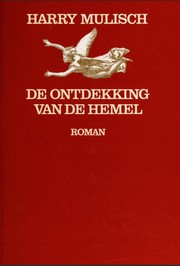 Harry Mulisch · 1992The Discovery of HeavenLvl 6Medium pace
 Albert Camus · 1942The StrangerLvl 3Medium pace
 Simone de Beauvoir · 1954The MandarinsLvl 6Slow burn