
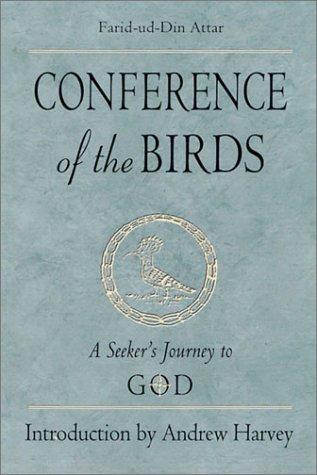
The Conference of the Birds
Farid ud-Din Attar · 1145–1221 · Persia
Originally Mantiq-ut-Tair (Persian)
Why it matters
Thirty birds cross seven allegorical valleys in search of their king, the Simorgh, shedding everything false about themselves along the way. Persian Sufism's great narrative poem, still the clearest gateway into mystical allegory.
At a glance
Dense mystical allegory nested in parable after parable, demanding patience with symbolic layers.
Deep dive
The pun buried in the title is the whole theology — and Attar waits until the very last page to actually spring it.
Written for readers who have finished the book. No plot recap, and nothing here is safe to read first.
Themes & symbolism
Every stage of the birds' journey is allegorical shorthand for a recognized stage of Sufi purification, and Attar is uninterested in disguising this: the seven valleys — Quest, Love, Insight, Detachment, Unity, Bewilderment, and finally Poverty and Selflessness — map a course from ordinary longing to fana, the annihilation of the self within the divine. The birds who turn back do so for reasons that are small and entirely recognizable: comfort, fear, vanity, an attachment to one pleasure too specific to give up. Attar isn't building a fable about birds so much as an inventory of the excuses actual seekers give for staying home, which is why the parables interrupting the journey — anecdotes of kings, beggars, lovers, and fools — keep circling back to the same diagnosis: devotion is common to claim and rare to practice.
The attrition itself is the argument. Of the vast flock that sets out, only thirty complete the crossing, and Attar doesn't treat that death toll as tragic so much as clarifying — it demonstrates, structurally, that the poem's whole moral is about scarcity: real spiritual seriousness thins a crowd down to almost nothing. The embedded parables reinforce the same point from another angle: kings who discover their wealth means nothing beside a beggar's contentment, lovers who choose ruin over a safer, lesser devotion — each story is a smaller rehearsal of the larger crossing, so that by the time the birds reach the Simorgh's threshold, the reader has already been shown the same lesson a dozen times in miniature.
The Hoopoe as Guide
The hoopoe's authority to lead the birds draws on its legendary role as King Solomon's messenger, a bird already associated in Islamic tradition with wisdom and access to hidden knowledge — casting the guide, from the outset, as a figure who has already crossed between worlds and returned. Its patient, repeated talking-down of the birds' excuses throughout the journey mirrors the role of a Sufi master (pir) directing a disciple's practice, making the poem simultaneously a narrative and a manual: the hoopoe's speeches double as the kind of instruction a real seeker would receive from a teacher.
Each bird that hesitates is answered individually and by name — the finch pleads weakness, the partridge pleads attachment to jewels, the duck pleads its love of clean water — and the hoopoe's rebuttal is tailored each time rather than generic, which is why the poem reads less like a single allegory than like a long catalogue of the specific, respectable-sounding reasons people give for not doing the one thing they claim to want most.
The last seal: what actually happens, and why it lands the way it does.
The ending, explained
The thirty surviving birds arrive at last at the Simorgh's dwelling and are presented with a mirror or a reflecting lake, in which they see only themselves. The revelation is delivered through a pun impossible to render outside Persian: si morgh means literally 'thirty birds,' a homophone with 'Simorgh,' so the birds discover that the divine king they crossed seven valleys to find was never separate from their own purified selves — seeker and sought collapse into the same thirty reflections. It's the clearest possible enactment of fana: not a meeting with God as an external being, but the dissolving of the distinction between the self and the divine once the self has been sufficiently emptied out. The ending isn't a twist so much as a fulfillment of everything the seven valleys were preparing the birds — and the reader — to understand before the words could simply say it.
Where to go next
 Abolqasem Ferdowsi · 1010The ShahnamehLvl 6Slow burn
 Dante Alighieri · 1320The Divine ComedyLvl 8Slow burn
 The Arabian Nights Compilers · 850 CEOne Thousand and One NightsLvl 4Fast paced
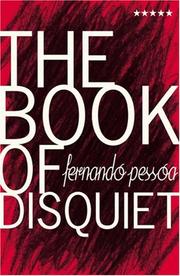 Fernando Pessoa · 1982The Book of DisquietLvl 7Slow burn
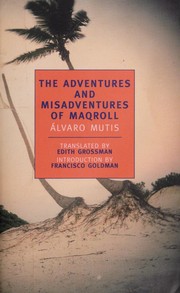 Álvaro Mutis · 1993The Adventures and Misadventures of MaqrollLvl 6Medium pace
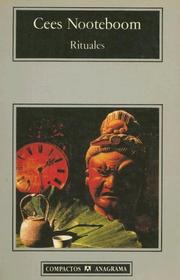 Cees Nooteboom · 1980RitualsLvl 6Slow burn