

Farid ud-Din Attar
Persia
Allegorical and didactic, parable folded inside parable: mystical argument carried by story rather than stated outright.
Attar ran an apothecary shop in Nishapur, a trade his pen name commemorates, and by his own account absorbed the personal stories of hundreds of patients and pilgrims who passed through it before turning fully to Sufi poetry and hagiography in later life. He steeped himself in Ferdowsi's Shahnameh and the century of Persian verse that followed it, adapting its narrative sweep to explicitly mystical ends.
The Conference of the Birds allegorizes the Sufi path as a flock of birds, led by the hoopoe, journeying across seven valleys of trial toward the mythical Simorgh, their king; the poem's famous pun, that the thirty surviving birds (si morgh) discover the Simorgh is themselves, distills the mystic doctrine that the seeker and the sought are ultimately one. Rumi, a generation later, called Attar the spirit's guide.
Accounts of his death vary and are wrapped in legend, most placing it during the Mongol sack of Nishapur around 1221, when he would have been in his seventies; the mystical tradition he shaped continued through Rumi and the wider flowering of Persian Sufi poetry.
Lines of influence
No descendants recorded, yet.
Their books in the atlas
- 1177
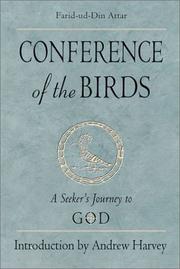 The Conference of the BirdsLvl 6epic
If you like Attar, try
 940 CE–1020Abolqasem FerdowsiPersiashaped Attar · shared movement: Persian & Arabic Classics · kindred genres: epic
 1265–1321Dante AlighieriItalykindred genres: epic, philosophical novel800 CE–900 CEThe Arabian Nights CompilersAbbasid Caliphateshared movement: Persian & Arabic Classics
 1888–1935Fernando PessoaPortugalkindred genres: epic, philosophical novel
 1923–2013Álvaro MutisColombiakindred genres: epic
 b. 1933Cees NooteboomNetherlandskindred genres: philosophical novel