
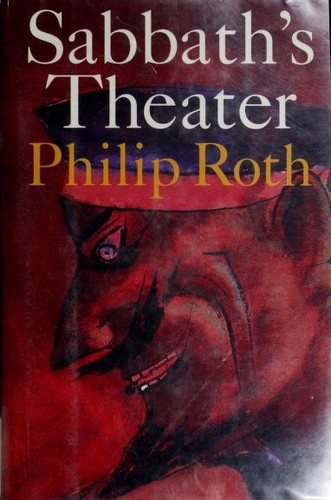
Sabbath's Theater
Philip Roth · 1933–2018 · USA
Why it matters
A disgraced, aging puppeteer, obsessed with death and his own appetites, tours the wreckage of every relationship he's ruined. Roth's National Book Award winner is his most transgressive, unsparing performance: comic filth in service of real grief.
At a glance
A relentless, transgressive monologue tests readers' tolerance more than their comprehension.
Deep dive
A man spends the entire novel meticulously building the case that he's owed death — and Roth is far more interested in the case itself than in whether the man is right.
Written for readers who have finished the book. No plot recap, and nothing here is safe to read first.
Themes & symbolism
Mickey Sabbath's grief for Drenka, his Croatian mistress dead of cancer, is the novel's buried emotional center beneath all its transgression — his visits to her grave, including public masturbation there, read less as pure obscenity than as the only vocabulary of mourning available to a man who has spent his life converting every feeling into performance and appetite. Roth doesn't ask the reader to approve of Sabbath, but he insists on taking the grief as real, which is what keeps the novel from being simply a catalog of shock for its own sake.
Sabbath's brother Morty, killed as a bomber pilot in the Second World War, is the original, un-mourned wound underneath everything that follows: their mother's subsequent, lifelong silent devastation shaped Sabbath's entire relationship to death, women, and performance, and his career as a puppeteer began, at bottom, as a way of animating and controlling a world that had already taken the one loss he could never process directly. His late visit to the family plot, where he encounters Morty's grave and steals his old war mementos from a dying relative, ties decades of compulsive transgression back to that specific childhood loss rather than treating his behavior as free-floating nihilism.
Roseanna, his long-suffering wife, undergoes her own arc of hard-won sobriety and self-respect largely off-page, glimpsed only through Sabbath's own self-serving, increasingly unreliable account of her — and the novel is sharp enough to let the reader notice the gap between what he tells us about her recovery and what her own dignity, on the rare occasions she's allowed to speak for herself, actually suggests.
The Most Transgressive Roth on Purpose
Roth pushes obscenity and sexual content further here than anywhere else in his work deliberately, using Sabbath's total refusal of propriety as a formal argument: a culture obsessed with dignified late-life narratives of recovery and acceptance gets answered with a protagonist who ages into pure appetite and grief instead, refusing every available script for how an old man is supposed to behave or apologize. Roth's own later insistence that this was his best book, and the National Book Award it won, mark a critical consensus that the excess is functional, not gratuitous.
The last seal: what actually happens, and why it lands the way it does.
The ending, explained
Having stolen money and mementos, worn Drenka's belongings, and staged a mock will at the family cemetery, Sabbath drives north fully intending to kill himself, having spent the whole novel building the case, to himself and the reader, that death is simply owed and even preferable. Surrounded by his family's dead and every argument he's constructed for ending things, he finds he physically cannot go through with it. The novel's last lines turn the failure into a diagnosis rather than a triumph: he can't leave, can't go, because everything he hates is here too. His appetite for the world — his hatred of it as much as anything he loves in it — turns out to be exactly what's keeping him alive, an ending that refuses him either redemption or the dignity of a decisive exit.
Where to go next
 Philip Roth · 1959Goodbye, ColumbusLvl 4Medium pace
 Philip Roth · 1969Portnoy's ComplaintLvl 5Fast paced
 Philip Roth · 1997American PastoralLvl 6Slow burn
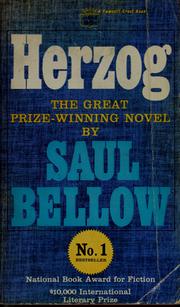 Saul Bellow · 1964HerzogLvl 7Slow burn
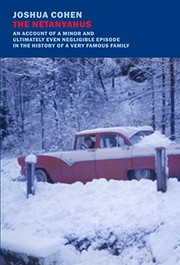 Joshua Cohen · 2021The Netanyahus: An Account of a Minor and Ultimately Even Negligible Episode in the History of a Very Famous FamilyLvl 6Medium pace
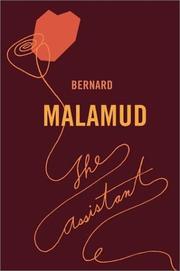 Bernard Malamud · 1957The AssistantLvl 5Slow burn