

Home Fire
Kamila Shamsie · b. 1973 · Pakistan / United Kingdom
Why it matters
A modern reimagining of Sophocles's Antigone among British Muslims: a jihadist's children collide with the family of Britain's hard-line Home Secretary once one of them is recruited by ISIS. Five tightly built parts stage a classical tragedy inside a very contemporary radicalization story.
At a glance
Literary but accessible prose builds tense momentum toward a foretold tragic ending.
Deep dive
A British Home Secretary's son falls for the sister of a young man the state has just stripped of citizenship, and how closely Shamsie tracks Sophocles while updating everything else about the story.
Written for readers who have finished the book. No plot recap, and nothing here is safe to read first.
Themes & symbolism
Shamsie maps Home Fire directly onto Antigone: Isma stands in for Ismene, the cautious elder sister who has spent years raising her orphaned siblings; Aneeka is Antigone, fierce and unyielding once her twin brother's fate is at stake; Parvaiz, drawn into his dead jihadist father's old networks and recruited into a militant group's media wing, is Polyneices; and Eamonn, son of the hardline Home Secretary Karamat Lone, plays Haemon, in love with the family a punitive state has marked as enemies. Updating the myth to Britain's real citizenship-stripping powers, the legal ability to revoke a British-born Muslim's nationality for terrorism-linked activity, lets Shamsie ask Sophocles's question about a state's authority over the dead in a register the original couldn't: what a nation owes even the citizens it has decided to disown.
Karamat Lone is the novel's most carefully built character precisely because he isn't a simple tyrant: a self-made Muslim politician who built his career partly by publicly distancing himself from the immigrant community he came from, he embodies the impossible bargain the novel keeps circling, that visible assimilation and continued suspicion of your community can coexist inside the same successful career. His refusal to let his own son's relationship with Aneeka soften his politics is less villainy than the logical endpoint of a public persona he's spent decades constructing, and the novel is careful never to let him off the hook for it even while making his reasoning legible.
Antigone Relocated to Preston Road
Shamsie keeps the myth's core structure, a sister demanding the right to properly mourn a brother the state has declared unmournable, intact while relocating every institutional lever to a recognizably contemporary Britain: newspaper front pages standing in for Creon's edict, immigration law standing in for the Theban state's authority over burial, so the myth's ancient argument about a ruler's power over the dead becomes a live argument about what a modern nation can do to a body it has already stripped of citizenship.
A Politician Built to Complicate His Own Villainy
Karamat Lone's arc, from a working-class immigrant childhood through a career spent proving his loyalty by being harder on Muslim Britain than his rivals dare to be, gives the novel's Creon figure a coherent, almost sympathetic internal logic, and Shamsie's refusal to caricature him is what makes his final choices land as tragedy rather than simple abuse of state power.
The last seal: what actually happens, and why it lands the way it does.
The ending, explained
Parvaiz, having grown disillusioned with the group he joined and desperate to come home, is shot outside the British consulate in Istanbul before he can surrender himself, killed by the very people he was trying to leave, and the state that stripped his citizenship refuses to let his body be returned to Britain for burial. Aneeka, in the novel's most direct echo of Sophocles, flies to Karachi and stages a public vigil beside her brother's corpse in a park, livestreamed and covered by the press Karamat has spent his career courting, daring the state and her own lover's father to act against her openly. Eamonn, arriving to stand with her against his father's wishes, is killed in a bombing meant for Aneeka, staged by a former associate of Parvaiz's settling accounts with his memory, so the novel's two young lovers die together in the same act of violence the state's own policies helped set in motion, leaving Karamat to answer for a tragedy his hardline politics did as much to produce as any militant did.
Where to go next
 Mahasweta Devi · 1974Mother of 1084Lvl 5Medium pace
 Ghassan Kanafani · 1963Men in the SunLvl 5Medium pace
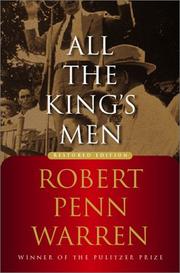 Robert Penn Warren · 1946All the King's MenLvl 6Medium pace
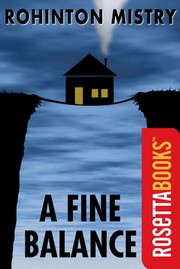 Rohinton Mistry · 1995A Fine BalanceLvl 4Medium pace
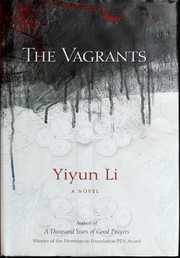 Yiyun Li · 2009The VagrantsLvl 6Slow burn
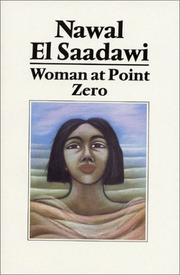 Nawal El Saadawi · 1975Woman at Point ZeroLvl 3Fast paced