

Gabriela, Clove and Cinnamon
Jorge Amado · 1912–2001 · Brazil
Originally Gabriela, cravo e canela (Portuguese) · translated by James L. Taylor and William L. Grossman
Why it matters
A runaway girl's romance with a Syrian shopkeeper unfolds amid a Bahian cacao boomtown's modernization. Brazilian regionalism at its most globally beloved, warm and comic where much of the tradition is bleak.
At a glance
Warm, comic, linear storytelling with little structural or syntactic complexity.
Deep dive
Why the novel keeps refusing every chance to reform its heroine into a respectable wife, and what that refusal says about what Amado actually finds worth celebrating.
Written for readers who have finished the book. No plot recap, and nothing here is safe to read first.
Themes & symbolism
Ilhéus's modernization is a fantasy of cleanliness laid directly over an unchanged social order: dredged harbors, electric streetlights, and civic self-regard for the benefit of outside investors, while the town's actual rules about who owns women's bodies stay exactly as they were. Amado places Jesuíno Mendonça's acquittal for murdering his wife and her lover in the same civic moment as the harbor contracts and the rigged election, so the old honor code and the new commercial order read as the same power wearing a fresher suit rather than as progress replacing barbarism.
Gabriela is the character none of the town's available categories can hold. She isn't a poor girl made good, nor a cautionary tale of a fallen woman; she wants sun, food, singing, and sex on terms nobody assigned her, and she has no interest in the upward mobility Nacib assumes she must secretly crave. Amado stages this as comedy rather than tragedy, a genuinely unusual register for Brazilian regionalist fiction's more common bleakness, because Gabriela's appetite is never punished by the plot the way a heroine's desire usually is in this tradition. The joke, gently and warmly, is on everyone who keeps trying to file her under wife, mistress, or scandal.
That comic register is doing real ideological work, not just softening the material. Where the regionalist novels around it tend to treat the sertão's poor as tragic figures crushed by landowners and drought, Amado lets Gabriela arrive from that same drought-stricken interior and simply refuse to be crushed, or improved, or explained by anyone else's frame. Her barefootedness, which scandalizes Nacib's business associates far more than her past ever does, becomes the novel's shorthand for a whole worldview: comfort and pleasure taken as birthrights rather than privileges to be earned through performance.
The colonels' last stand
The cacao colonels' violent, personal rule and the newer commercial and civic interests jockeying over harbor works and elections aren't opposed forces in the novel so much as two styles of the same appetite for control, one blunt and one procedural. Nacib himself straddles both worlds as a Syrian-Lebanese immigrant striving toward respectability: he wants Ilhéus to modernize, wants his own status to rise with it, and yet his instinct with Gabriela is pure old-guard patriarchy dressed as concern, an urge to civilize her into a suitable wife rather than let her stay what she already is.
Cooking as the novel's real love language
Amado spends far more sensory attention on Gabriela's cooking than on any declaration of feeling between her and Nacib, and that's the point: her cuisine is her authority, her way of moving through the world unmediated by anyone else's rules about what a woman like her should want. The clove and cinnamon of the title aren't incidental flavoring but the novel's actual argument, that a body's plain appetites are worth more narrative trust than a town's performance of progress. It's telling that Nacib's restaurant thrives precisely because of Gabriela's cooking, so his own livelihood depends on the very quality in her that he later tries to civilize away.
The last seal: what actually happens, and why it lands the way it does.
The ending, explained
After Gabriela's affair, Nacib divorces her, certain that respectability requires it, and tries and fails to replace her, both as a cook and as a lover, with anyone more conventionally suitable. Unable to function without her, he takes her back, but not as a legal wife: what he settles into instead is a looser, more honest arrangement that fits who Gabriela actually is rather than the bourgeois role he'd originally tried to layer over her. Amado presents this as a genuine happy ending, not a compromise to be mourned. The novel's comic warmth depends on this: real vitality winning out over the performance of propriety, with no punishment attached.
Where to go next
 Jorge Amado · 1966Dona Flor and Her Two HusbandsLvl 4Medium pace
 Rachel de Queiroz · 1930The FifteenLvl 3Medium pace
 João Guimarães Rosa · 1956The Devil to Pay in the BacklandsLvl 9Slow burn
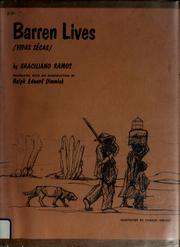 Graciliano Ramos · 1938Barren LivesLvl 6Slow burn
 Clarice Lispector · 1977The Hour of the StarLvl 7Slow burn
 Rómulo Gallegos · 1929Doña BárbaraLvl 4Medium pace