
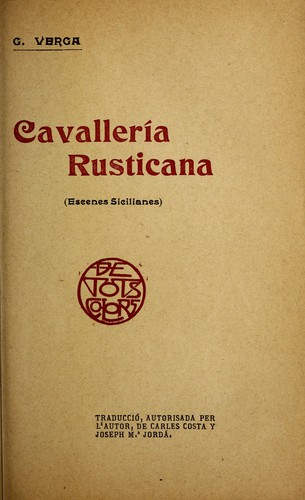
Cavalleria Rusticana
Giovanni Verga · 1840–1922 · Italy
Originally Cavalleria Rusticana (Italian)
Why it matters
A story collection of Sicilian honor, jealousy, and violence, its title tale of a fatal duel over a woman later became Mascagni's famous opera. Verga's dialect-inflected realism at its most compressed and brutal.
At a glance
Compressed, dialect-inflected prose that assumes rather than explains.
Deep dive
A returning soldier's Sicilian village runs on an honor code so exact it can be triggered with a single bitten ear, and Verga documents every step of it without once explaining it to the reader.
Written for readers who have finished the book. No plot recap, and nothing here is safe to read first.
Themes & symbolism
Verga writes Cavalleria Rusticana in the flattened, reportorial style he and the verismo movement pioneered against Romantic excess: no narrator ever explains why Sicilian village life runs on the codes it does, no aside translates a custom or judges a character, and readers are left to infer, the way a fellow villager would, exactly how much is at stake when Turiddu, back from military service, finds Lola married to the wealthy carter Alfio. The famous ear-biting scene, Alfio's silent, ritual bite on Turiddu's ear issuing the challenge to a knife duel, is presented with the same unblinking flatness as everything else, a custom so embedded that no character needs to comment on what it means.
Santuzza, pregnant and abandoned once Turiddu resumes his affair with the now-married Lola, becomes the story's real engine when jealousy pushes her to tell Alfio what his wife has been doing, a betrayal Verga refuses to sentimentalize into either righteous revenge or simple spite; she names herself explicitly as damned by the act even as she commits it. Verga's naturalism insists the whole tragedy runs on economic and social pressure as much as passion: Turiddu's poverty relative to Alfio, Santuzza's ruined marriageability once she's known to have been discarded, and a village where a woman's exclusion from church, Santuzza notes bitterly that she can no longer take communion, carries as much weight as any of the men's knives.
The Opera That Outgrew the Story
Pietro Mascagni's 1890 one-act opera adaptation made the story vastly more famous than Verga's original ever was on its own, launching Italian opera's verismo movement and permanently attaching the melodramatic Intermezzo to a plot Verga had told in a much colder register; the opera softens Verga's flat, documentary prose into full-blown passion, and most audiences now encounter Turiddu and Santuzza's story through Mascagni's music well before, if ever, they encounter Verga's sentence-by-sentence restraint. Verga, already established as a novelist with I Malavoglia, had adapted the story himself first for the stage in 1884, giving Eleonora Duse one of her signature roles as Santuzza before Mascagni's score existed at all.
The last seal: what actually happens, and why it lands the way it does.
The ending, explained
Turiddu accepts Alfio's challenge by returning the ear-bite, sealing the duel under a code neither man questions even though both know one of them likely won't survive it. Before leaving, he visits his mother Lucia, embraces her without explaining why, and asks her to look after Santuzza if he doesn't come back, the closest the story comes to sentiment, delivered obliquely rather than as open confession. The duel itself happens entirely offstage; the story ends with a woman's voice crying out from the orchard that Turiddu has been killed, and the narrative simply stops there, refusing readers even the scene of the fight, which is the last and starkest instance of Verga's method: the violence the whole village's honor code has been building toward all along is reported, never shown.
Where to go next
 Giovanni Verga · 1881The House by the Medlar TreeLvl 6Slow burn
 Grazia Deledda · 1913Reeds in the WindLvl 4Medium pace
 Émile Zola · 1885GerminalLvl 5Medium pace
 Italo Svevo · 1923Zeno's ConscienceLvl 6Medium pace
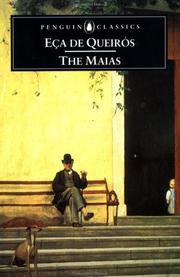 Eça de Queirós · 1888The MaiasLvl 6Medium pace
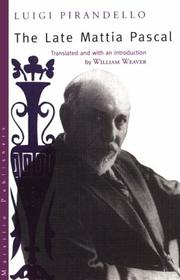 Luigi Pirandello · 1904The Late Mattia PascalLvl 5Medium pace