
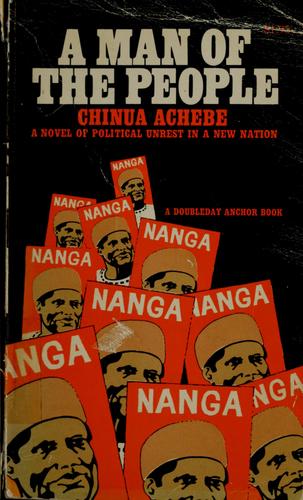
A Man of the People
Chinua Achebe · 1930–2013 · Nigeria
Why it matters
A corrupt, populist government minister and the idealistic young teacher who first admires then challenges him, in a satire so accurate about African coups that a real one broke out in Nigeria weeks after publication. Achebe's most openly comic novel, and his sharpest attack on the new political class.
At a glance
Breezy, comic first-person narration disguises the sharpness of its political indictment.
Deep dive
Odili used to admire his old teacher, now a government minister everyone calls a man of the people, until a personal grudge over a woman turns into the closest thing this satire has to a political conscience.
Written for readers who have finished the book. No plot recap, and nothing here is safe to read first.
Themes & symbolism
Odili Samalu, a young schoolteacher, once idolized Chief M. A. Nanga, his former teacher turned Minister of Culture, a bush politician of enormous charm who has converted a career of demagoguery and outright theft into genuine popular affection. Achebe writes Nanga as likeable on purpose, generous with drinks and favors, quick with a joke, precisely so the novel's satire lands on the whole system that rewards charisma over competence rather than on one cartoonish villain; the country keeps electing men exactly like him because men exactly like him are enormous fun to be governed by, right up until they aren't.
Odili's opposition to Nanga starts out entirely personal: staying as a guest in the minister's house, he discovers Nanga has slept with his girlfriend Elsie, and the humiliation, more than any abstract commitment to clean government, is what pushes him into founding a rival party with the businessman Max. Achebe is candid about how much of the novel's politics runs on exactly this kind of unglamorous motive, vanity, grudge, ambition, rather than the pure civic conviction political movements like to advertise about themselves, and Odili's own hands stay visibly dirty even as he campaigns against Nanga's corruption.
The campaign that follows escalates from bribery and rigged nomination meetings into open violence, Odili beaten near to death at his own rally, and Achebe stages the collapse of a fair election with such specific, mundane detail, thugs, ballot boxes, a compliant press, that the satire reads less like exaggeration than reportage. Published in January 1966, the novel's climax, a military coup that finally sweeps away Nanga's corrupt government, arrived in print only days before Nigeria's actual first coup, a coincidence so exact that some early readers assumed Achebe had inside knowledge of the plot rather than simply having read his own country correctly.
A Coup Without a Cure
Achebe refuses to let the coup that ends the novel read as a solution: the young officers who seize power are given no clearer moral vision than the politicians they replace, and Odili himself, recovering from his beating and processing Elsie's betrayal alongside Nanga's downfall, has no illusion that men with guns will govern more honestly than men with ballot boxes. The novel's real warning is less about any single corrupt minister than about a political culture with no mechanism, ballot or bullet, currently capable of producing anything better.
The last seal: what actually happens, and why it lands the way it does.
The ending, explained
Odili's party is crushed at the rigged polls, and Nanga's faction celebrates a victory built on violence and stolen votes, until a group of army officers stages a coup and arrests the entire cabinet, Nanga included, ending his career more abruptly than any election ever could. Odili, still recovering from the beating he took on the campaign trail and newly reconciled with Edna, the young woman Nanga had been planning to take as a second wife, watches the coup from the sidelines with a satisfaction he knows is hollow. Achebe declines to show the new military government behaving any better than the one it replaced, closing the novel on the same corrosive cycle it opened with, only now running under different management.
Where to go next
 Chinua Achebe · 1958Things Fall ApartLvl 4Medium pace
 Chinua Achebe · 1960No Longer at EaseLvl 4Medium pace
 Chinua Achebe · 1964Arrow of GodLvl 5Medium pace
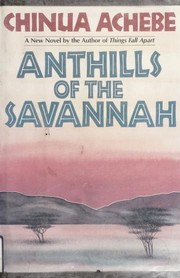 Chinua Achebe · 1987Anthills of the SavannahLvl 7Medium pace
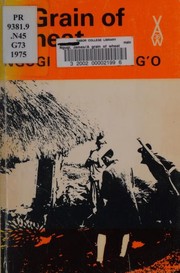 Ngũgĩ wa Thiong'o · 1967A Grain of WheatLvl 6Slow burn
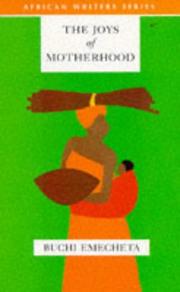 Buchi Emecheta · 1979The Joys of MotherhoodLvl 4Medium pace