
The Generation of '98
Spain loses its last colonies in 1898 and turns the disaster into a national X-ray.
Spain lost Cuba, Puerto Rico, and the Philippines in the 1898 war with the United States, and a generation of writers turned that national humiliation inward, treating Castile's bare landscape as a diagnostic X-ray of the country's soul. Miguel de Unamuno gave the crisis its strangest form: Mist, which he called a 'nivola' rather than a novel, lets its protagonist travel to Salamanca to confront his own author about the right to keep living, decades before Pirandello made the device famous.
The same crisis of faith and philosophy took another shape in San Manuel Bueno, Mártir, Unamuno's beloved village priest who has secretly lost his faith and keeps preaching anyway, sustaining his parish's belief at the cost of his own. Pío Baroja worked the disenchantment from a more clinical angle: The Tree of Knowledge follows a young doctor through a Spain of provincial cruelty and failed idealism until skepticism is the only position left standing. Between them, philosophy and fiction fused into a single, unsparing act of national self-diagnosis.
How to spot it on the page
- Castile's bare, unforgiving landscape read as a diagnostic X-ray of the national soul
- A character who confronts, argues with, or defies the author writing them
- Faith performed in public while privately, silently abandoned
- A disenchanted professional (doctor, teacher) moving through provincial cruelty toward skepticism
- Philosophy staged as plot rather than argued in essay
- National catastrophe (the loss of empire) internalized as personal and metaphysical crisis
What it left behind
The generation named itself in 1913 looking back at the year of the disaster, and its members scattered under the dictatorship and civil war that followed, several into exile or silence. But its central move, reading a national catastrophe as a personal, metaphysical crisis, gave Spanish letters its modern seriousness, and Unamuno's self-aware fictions anticipated the postmodern novel's games by decades.
Defining works
For a guided order with notes, follow the reading path →
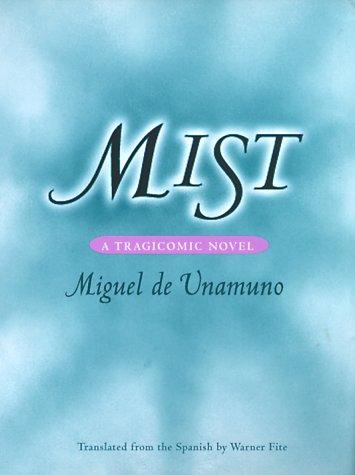
Miguel de Unamuno · 1914
A heartbroken man travels to Salamanca to confront the author writing his story and beg not to be killed off. Unamuno's 'nivola' turns metafiction into a genuine existentialist argument about free will and mortality.
Pío Baroja · 1911
A disillusioned young doctor watches poverty, professional corruption, and personal tragedy dismantle his idealism in turn-of-the-century Madrid. Baroja's terse pessimism won him Hemingway's lasting admiration.
Miguel de Unamuno · 1930
A beloved village priest secretly doubts the resurrection he preaches every Sunday, sustaining his parish's faith at the cost of his own. Unamuno's last major fiction distills his lifelong argument with belief into a single devastating figure.

