The Ladies' Paradise
Émile Zola · 1840–1902 · France
Originally Au Bonheur des Dames (French)
Why it matters
A young shopgirl arrives in Paris just as a vast new department store devours every small shop on its street: Zola's novel of modern consumerism being born in real time, glittering counters and ruined shopkeepers side by side.
At a glance
Straightforward romance plot cushioned in exhaustive commercial and architectural detail.
Deep dive
How a Parisian department store engineers desire in its customers with the very technique its owner can't get to work on the one employee he actually wants.
Written for readers who have finished the book. No plot recap, and nothing here is safe to read first.
Themes & symbolism
Octave Mouret's department store expands across the novel by deliberately engineering desire rather than simply meeting it, arranging merchandise, lighting, and mirrored displays to overwhelm female customers into buying goods they arrived with no intention of purchasing, and Zola describes the tactics in language closer to seduction or hypnosis than to ordinary commerce, treating Mouret's real genius as an intuitive understanding of how to make wanting feel involuntary. The store's relentless growth destroys the small, family-run drapers' shops in the surrounding streets one by one, including the shop belonging to Denise Baudu's own uncle, and Zola refuses to let the reader miss what that growth actually costs, cataloguing each ruined shopkeeper's slow collapse with the same clinical attention he gives Mouret's rising profits.
Denise arrives in Paris poor, provincial, and morally unglamorous by the standards of Zola's usual heroines, and her steady rise through the store's ranks owes nothing to seduction or manipulation, only competence, patience, and an unusual, genuine sympathy for the exhausted shopgirls Mouret's system otherwise treats as interchangeable labor; she becomes the one employee willing to tell Mouret plainly what his business is doing to the people working inside it, and Zola builds their eventual romance as a genuine negotiation rather than a conquest, with Denise repeatedly refusing to become his mistress and insisting on marriage as the only terms under which she will stay.
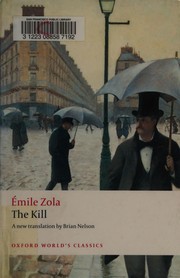
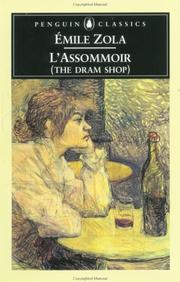
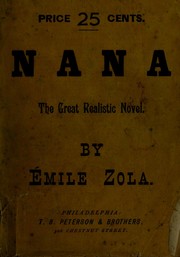
Unlike Nana's diseased empire or L'Assommoir's mechanized ruin, this novel lets Mouret's commercial machine keep expanding right through its ending, since Zola's real interest here is less punishing capitalism than diagnosing it accurately: mass consumption is shown as genuinely, seductively pleasurable and genuinely destructive at the same time, and the marriage that closes the book doesn't undo the small shopkeepers it has already ruined, it simply installs one compassionate voice inside a machine that will keep running with or without her.
The One Rougon-Macquart Novel That Lets Somebody Win
Zola conceived the twenty-volume cycle largely as a chronicle of heredity and environment grinding people down, which makes this novel's relatively hopeful trajectory, a poor provincial girl rising through honest competence to reform, rather than merely survive, the system she works inside, a genuine outlier. Critics have read the shift partly as Zola's own fascination with the department store as a specifically modern, almost utopian machine, one that could plausibly be improved by a decent person working from inside it in a way that a mine or a distillery, in his other novels, never could be.
The last seal: what actually happens, and why it lands the way it does.
The ending, explained
Mouret, having failed for years to seduce Denise on his usual terms and having watched her repeatedly turn down other advantageous matches out of simple integrity, finally proposes marriage outright, a genuine capitulation from a man the whole novel has shown bending everyone else to his will. Denise accepts, not as a reward for holding out but because she has come to love him honestly across their long professional battle over how his workers should be treated, and the wedding closes the novel on Mouret's business empire continuing to expand around them, the small shops of the old neighborhood still gone for good. Zola's last image is the store itself, vast, glittering, and thoroughly modern, standing as the real subject that outlasts any individual romance, Denise's influence a mitigating presence inside the machine rather than any kind of brake on it.