
Pushkin Hills
Sergei Dovlatov · 1941–1990 · USSR / USA
Originally Заповедник (Russian)
Why it matters
A failed, drinking writer takes a summer job as a tour guide at Pushkin's old estate, mouthing reverent lies to tourists he despises. Dovlatov's deadpan comedy of Soviet cultural hypocrisy, drawn from his own life.
At a glance
Short, wry, episodic chapters in plain conversational prose.
Deep dive
A washed-up, drinking writer takes a summer job telling Soviet tourists reverent lies about Pushkin's old estate, and his wife's plan to emigrate forces him to decide, for once, whether he can actually commit to anything.
Written for readers who have finished the book. No plot recap, and nothing here is safe to read first.
Themes & symbolism
Boris Alikhanov arrives at Mikhailovskoye, Pushkin's preserved country estate, broke and between failures, and finds the whole preservation industry built around the poet's memory to be a factory of scripted reverence, tour guides reciting the same rehearsed lines about Pushkin's genius to busloads of tourists who mostly aren't listening, colleagues who have made their own peace with the absurdity by drinking through it. Dovlatov's deadpan, plainspoken sentences never raise their voice at the hypocrisy on display, the same restraint that makes the satire land: reverence for a long-dead genius has become the estate's most reliable commodity, indistinguishable in practice from any other tourist-trap performance.
Tatiana, Boris's estranged wife, arrives partway through the summer with plans to emigrate to the West and their daughter in tow, asking Boris to come with them, and the novel's real tension shifts from Soviet cultural absurdity to Boris's own chronic inability to choose anything, a paralysis the book treats as continuous with his drinking and his failed writing career rather than a separate crisis. Dovlatov, who worked this exact job at Mikhailovskoye before his own eventual emigration, gives Boris's hesitation a lived specificity that never curdles into self-pity, funny even when it's clearly costing him everything that matters. The estate's fellow guides, each nursing a private failure of their own behind the same rehearsed script, surround Boris with a whole gallery of men who have already made the choice he still hasn't, to simply stop expecting more from their own lives.
A Tour Guide's Job, Lived Before It Was Written
Dovlatov worked the same Mikhailovskoye tour-guide job the novel describes before emigrating to the United States in 1978, and Pushkin Hills, written and published abroad, sits close enough to memoir that Soviet readers only encountered it later, after glasnost, in a country that could finally publish the writer it had pushed out. The book's plain, comic restraint, so different from the era's dominant modes of either dissident tragedy or official optimism, became the template for Dovlatov's whole later reputation as the driest voice in Russian émigré fiction, a writer who found more to say about Soviet life in a museum gift shop's absurdities than most of his contemporaries found in the camps.
The last seal: what actually happens, and why it lands the way it does.
The ending, explained
Tatiana's departure date arrives, and Boris, true to the pattern the whole novel has been diagnosing, fails to make any decision at all: he doesn't refuse to go, doesn't commit to going, simply lets the moment pass the way he has let every other consequential moment of his adult life pass, and watches his wife and daughter leave for the West without him. Dovlatov denies Boris even a dramatic collapse afterward; the estate's tour groups keep arriving, the scripted reverence keeps being recited, and Boris's life resumes its previous shape almost immediately, the emigration he couldn't choose folding into one more thing that happened to him rather than a rupture he caused. The closing note is bleakly comic rather than tragic: passivity, the novel suggests, isn't a crisis point but Boris's actual permanent condition, and Pushkin Hills just happened to be where it was on display that particular summer.
Where to go next
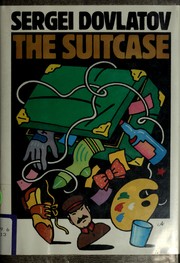 Sergei Dovlatov · 1986The SuitcaseLvl 3Fast paced
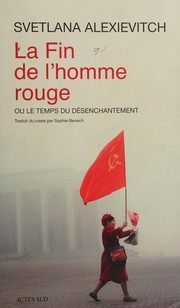 Svetlana Alexievich · 2013Secondhand TimeLvl 4Medium pace
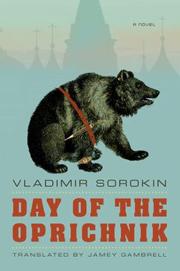 Vladimir Sorokin · 2006Day of the OprichnikLvl 5Fast paced
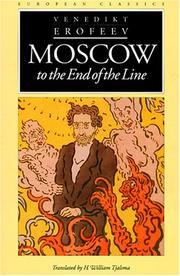 Venedikt Yerofeev · 1970Moscow-PetushkiLvl 7Fast paced
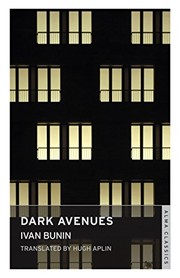 Ivan Bunin · 1943Dark AvenuesLvl 4Medium pace
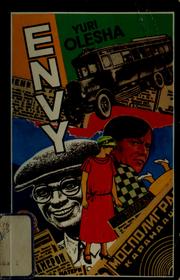 Yuri Olesha · 1927EnvyLvl 7Medium pace