
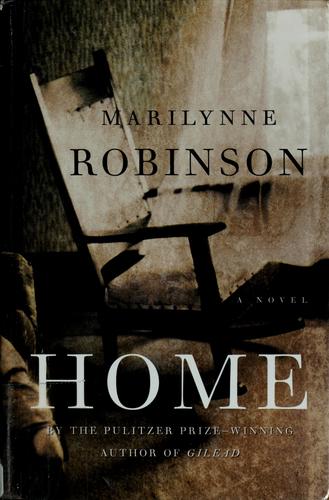
Home
Marilynne Robinson · b. 1943 · United States
Why it matters
Glory Boughton returns to the family house in Gilead, Iowa, to care for her dying father just as her prodigal brother Jack, absent twenty years and carrying deep shame, also comes home. Gilead's quiet companion novel, retelling the same events from the sibling left holding the household together.
At a glance
Spare, theologically dense, meditative prose rewards unhurried, patient reading despite its contained plot.
Deep dive
Glory Boughton comes back to Gilead to nurse her ailing father, and finds her brother Jack already there ahead of her, twenty years late and carrying a secret about a family down South that the whole town has quietly decided not to ask him about.
Written for readers who have finished the book. No plot recap, and nothing here is safe to read first.
Themes & symbolism
Robinson sets Home in the same small Iowa town and same summer as Gilead, but swaps John Ames's serene, forgiving narration for Glory's far more anxious, close third person, watching her brother Jack, the Boughton family's prodigal son, try and mostly fail to reintegrate into a household that has spent decades performing forgiveness it hasn't actually finished feeling. Jack's return isn't triggered by reconciliation but by desperation, sober, broke, and carrying an unspoken need his father's declining health has made urgent, and Robinson lets the gap between the family's practiced Christian language of grace and its actual, unresolved resentment do most of the novel's quiet damage.
The secret Jack is protecting, a common-law wife, Della, and a son back in Memphis, both Black, in a Missouri and Iowa still governed by anti-miscegenation law and unofficial custom just as punishing, reframes everything the Boughtons have said about Jack's earlier failures, an out-of-wedlock child abandoned in his youth, his drinking, his years of silence, as a family choosing again and again not to ask the one question that would actually explain him. Robinson uses the Boughtons' theological fluency against them: Reverend Boughton can recite grace and predestination with total confidence but cannot, when it matters, offer Jack anything except a love conditioned on Jack finally becoming presentable.
Glory as the Novel's Overlooked Center
Glory's own defeat, a broken engagement to a man already married, a return home she experiences as failure rather than choice, gets consistently subordinated in the household's attention to Jack's more dramatic troubles, and Robinson makes that imbalance part of the novel's argument: women's quieter disappointments get absorbed into domestic caretaking almost invisibly, while a prodigal son's crisis commands the whole family's theological and emotional resources.
Reading Gilead Backward
Home revisits several scenes from Gilead, Jack's visit to John Ames, the baptism story, from outside Ames's forgiving first-person frame, and the difference is stark: what read in Gilead as a minister's hard-won grace toward a difficult younger man reads in Home as Jack experiencing that same encounter as one more instance of being managed, judged, and found wanting by men convinced of their own kindness.
The last seal: what actually happens, and why it lands the way it does.
The ending, explained
Della and the Boughtons' young grandson, Robert, arrive in Gilead searching for Jack shortly after he has already given up and left town, unable to bear his father's inability to fully accept what he's confessed, or to trust that Gilead could ever be safe for his family. Robinson denies the reunion its obvious payoff, Jack is gone before Della arrives, and the novel closes instead on Glory, newly aware of her nephew's existence, absorbing responsibility for her father's final decline largely alone. Reverend Boughton dies without ever resolving his feelings about Jack outright, and Robinson's last image, Glory keeping the house, keeping faith with a family that has repeatedly failed to keep faith with itself, argues that grace in this world arrives incompletely or not at all, no matter how fluently everyone involved knows how to talk about it.
Where to go next
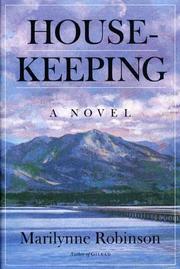 Marilynne Robinson · 1980HousekeepingLvl 6Slow burn
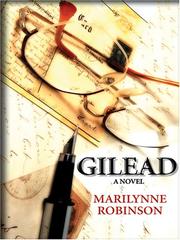 Marilynne Robinson · 2004GileadLvl 5Slow burn
 Paul Harding · 2009TinkersLvl 6Slow burn
 Ruth Ozeki · 2021The Book of Form and EmptinessLvl 5Medium pace
 Robertson Davies · 1970Fifth BusinessLvl 6Medium pace
 Jaimy Gordon · 2010Lord of MisruleLvl 6Slow burn