

Bruno Schulz
Poland (Galicia)
Dense, incantatory, and metaphor-drunk, ordinary streets and shopkeepers described with the hushed intensity of scripture.
Schulz taught drawing and handicrafts at a gymnasium in his hometown of Drohobycz for most of his life, publishing almost nothing until his forties, when a friend's encouragement turned his letters and sketches into The Street of Crocodiles. He followed it with a second collection, Sanatorium Under the Sign of the Hourglass, deepening the same hallucinatory vision of a father's transformations and a town remembered as myth.
During the German occupation a Gestapo officer who admired his draftsmanship kept him alive as a personal artist, painting murals for the officer's children, a fragile protection that ended in November 1942, when a rival officer shot Schulz in the street in an act of revenge against his protector. A novel-length manuscript known as The Messiah, entrusted to friends before his death, has never been found.
Lines of influence
No descendants recorded, yet.
Their books in the atlas
- 1934
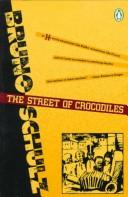 The Street of CrocodilesLvl 8magical realism
 - 1937
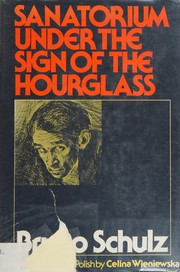 Sanatorium Under the Sign of the HourglassLvl 8magical realism
Meanwhile, elsewhere
 1875–1955Thomas MannGermanyWestern Europe · Germany
 1873–1954ColetteFranceWestern Europe · France
 1869–1951André GideFranceWestern Europe · France
 1879–1970E. M. ForsterEnglandWestern Europe · England
 1890–1979Jean RhysUnited Kingdom / DominicaWestern Europe · United Kingdom / Dominica
 1877–1962Hermann HesseGermany / SwitzerlandWestern Europe · Germany / Switzerland
If you like Schulz, try
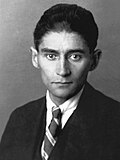 1883–1924Franz KafkaCzechia (Bohemia)shaped Schulz · shared movement: Mitteleuropa · same region & era
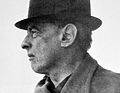 1904–1969Witold GombrowiczPolandshared movement: Mitteleuropa · both shaped by Kafka · both write in Polish
 1914–1997Bohumil HrabalCzechiashared movement: Mitteleuropa · both shaped by Kafka · same region & era
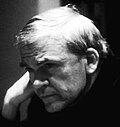 1929–2023Milan KunderaCzechia / Franceshared movement: Mitteleuropa · both shaped by Kafka · same region & era
 b. 1949Haruki MurakamiJapanboth shaped by Kafka · kindred genres: magical realism · neighboring movements
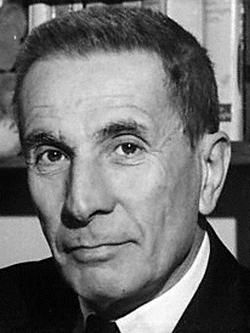 1906–1972Dino BuzzatiItalyboth shaped by Kafka · neighboring movements