
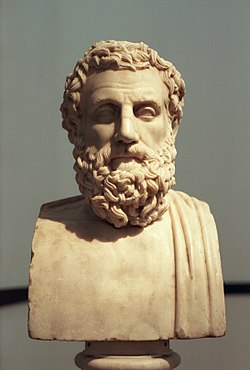
Aeschylus
Greece
Grand, weighty, image-dense verse: choral odes that build dread through accumulation, dialogue that still leans toward incantation more than conversation.
Aeschylus fought the Persians at Marathon and, by his own reported wish, was remembered on his tomb for that service before any play: an epitaph that says nothing about the dramatic career that invented much of what tragedy would become.
He is credited with introducing a second actor onstage, letting characters address each other directly instead of trading monologues with the chorus, and he wrote prolifically, as many as ninety plays, of which seven survive complete. The Oresteia (458 BCE), his only surviving trilogy, follows the murder of Agamemnon through his children's revenge to Orestes' trial before Athena herself, ending the blood-feud cycle in the era of law.
He died in Sicily in 456 BCE; a legend, probably invented, blames an eagle dropping a tortoise on his bald head.
Lines of influence
No ancestors recorded: a headwater.
Their books in the atlas
- 458 BCE
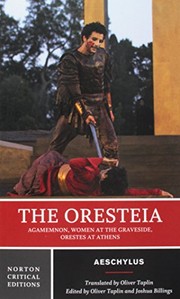 The OresteiaLvl 7tragedy
If you like Aeschylus, try
 480–406 BCEEuripidesGreeceshaped by Aeschylus · shared movement: Greek Drama · kindred genres: drama, tragedy
 496–406 BCESophoclesGreeceshared movement: Greek Drama · kindred genres: drama, tragedy · both write in Ancient Greek
 446–386 BCEAristophanesGreeceshared movement: Greek Drama · influence, once removed · kindred genres: drama
 750–700 BCEHomerAncient Greecekindred genres: tragedy · both write in Ancient Greek · neighboring movements
 1564–1593Christopher MarloweEnglandkindred genres: drama, tragedy
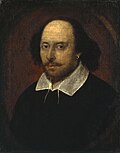 1564–1616William ShakespeareEnglandkindred genres: drama, tragedy