

Valmiki
Ancient India
Formal and devotional Sanskrit verse, moving between battle, exile, and lament; narrative treated as scripture as much as story.
Almost nothing about Valmiki can be established as historical fact; Hindu tradition venerates him as the adi kavi, the first poet, and tells his own legend as a robber transformed into a sage through meditation and divine grace, though the epic attributed to him almost certainly took shape over generations of oral composition and revision rather than from a single hand.
The Ramayana as it survives runs to roughly twenty-four thousand verses across seven books, following Prince Rama through exile in the forest, the abduction of his wife Sita by the demon king Ravana, and the war waged with an army of monkeys and bears to win her back: a narrative that became, and remains, one of the most retold stories in South and Southeast Asia, adapted across languages, religions, and performance traditions for over two millennia.
Dating the text is inherently uncertain, with scholarly estimates for its core composition ranging across several centuries BCE; what is certain is its permanence: the Ramayana's characters, place names, and moral vocabulary remain part of everyday religious and cultural life across the region today.
Lines of influence
No ancestors recorded: a headwater.
Their books in the atlas
- 400 BCE
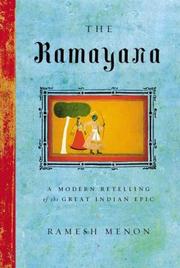 The RamayanaLvl 5epic
If you like Valmiki, try
 375 CE–455 CEKalidasaGupta Indiashaped by Valmiki · shared movement: Sanskrit Epic & Drama · both write in Sanskrit
 350–270 BCEVyasaAncient Indiashared movement: Sanskrit Epic & Drama · both shaped Kalidasa · kindred genres: epic
 43 BCE–17 CEOvidItalykindred genres: epic1230–1150 BCESîn-lēqi-unninniBabyloniakindred genres: epic940 CE–1010The Beowulf PoetEnglandkindred genres: epic
 70–19 BCEVirgilItalykindred genres: epic